
基于YOLOv8的铁轨轨道缺陷检测系统(YOLOv8深度学习+YOLO数据集+UI界面+Python项目+模型)
本项目基于YOLOv8深度学习算法,开发了一套高精度的铁轨轨道缺陷自动检测系统,旨在实时识别并分类四种常见的铁轨损伤类型:剥落(Spalling)、轮轨烧伤(Wheel Burn)、压溃(Squat)和波浪磨耗(Corrugation)。系统采用高质量的铁轨缺陷数据集进行训练和优化,其中训练集包含1916张标注图像,验证集和测试集各240张,确保模型在复杂环境下的鲁棒性和泛化能力。
一、项目介绍
摘要
本项目基于YOLOv8深度学习算法,开发了一套高精度的铁轨轨道缺陷自动检测系统,旨在实时识别并分类四种常见的铁轨损伤类型:剥落(Spalling)、轮轨烧伤(Wheel Burn)、压溃(Squat)和波浪磨耗(Corrugation)。系统采用高质量的铁轨缺陷数据集进行训练和优化,其中训练集包含1916张标注图像,验证集和测试集各240张,确保模型在复杂环境下的鲁棒性和泛化能力。
本系统可部署于轨道巡检车、无人机或固定式监控设备,结合计算机视觉技术实现实时缺陷检测,辅助铁路维护人员快速定位损伤位置,提高检修效率,保障列车运行安全。相较于传统人工巡检方式,该系统大幅降低了漏检率,同时提升了检测速度和准确性,适用于城市轨道交通、高速铁路及货运铁路等多种场景。
项目意义
1. 提升铁路安全运维水平
铁轨缺陷如不及时处理,可能导致列车脱轨、轨道断裂等重大事故。传统人工巡检依赖经验,效率低且易漏检微小缺陷。本系统通过AI自动识别,可全天候、高频率检测轨道状态,提前预警潜在风险,大幅提升铁路安全性和可靠性。
2. 降低维护成本,提高检修效率
-
减少人工依赖:自动化检测减少人力投入,尤其适用于长距离、高频率的轨道巡检任务。
-
精准定位缺陷:系统可输出缺陷类别、位置及严重程度,帮助维护团队优先处理高风险区域,优化维修资源分配。
-
预防性维护:通过长期数据积累,分析缺陷发展趋势,实现预测性维护,避免突发性故障带来的高昂维修成本。
3. 推动智能铁路发展
-
适应高速铁路智能化需求:我国高铁网络规模庞大,传统巡检方式难以满足高密度运营需求,AI检测技术可无缝集成至智能轨道监测系统(IMS),提升运维智能化水平。
-
兼容多种检测设备:系统可适配轨道探伤车、无人机、固定摄像头等多种数据采集方式,灵活应用于不同场景。
4. 数据与技术积累
-
高质量数据集:本项目构建的铁轨缺陷数据集涵盖多种损伤类型,为后续研究(如缺陷生长预测、3D缺陷建模)提供数据支持。
-
可扩展性强:模型框架可进一步优化,支持更多缺陷类别(如裂纹、锈蚀),或结合红外成像、激光扫描等多模态数据提升检测精度。
5. 社会经济效益
-
减少事故损失:铁路事故往往造成重大经济损失和人员伤亡,智能检测系统可显著降低事故率,保障公众出行安全。
-
促进轨道交通智能化升级:该技术可推广至地铁、轻轨、货运铁路等领域,推动智慧交通体系建设,助力“交通强国”战略实施。
未来展望
未来,该系统可结合5G传输、边缘计算实现实时云端分析,或集成数字孪生(Digital Twin)技术,构建轨道健康状态动态监测平台,实现全生命周期管理。此外,引入强化学习(RL)优化检测策略,或结合多传感器融合(如振动、声学检测)进一步提升缺陷识别能力,推动铁路运维进入智能化新时代。
本项目不仅为铁路行业提供了一套高效、可靠的AI检测方案,也为其他基础设施(如桥梁、隧道)的智能监测提供了可借鉴的技术路线,具有广泛的应用前景和社会价值。
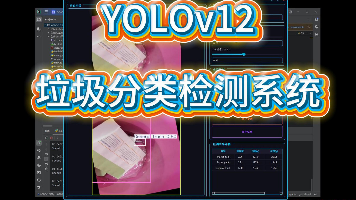
基于深度学习的铁轨轨道缺陷检测系统(YOLOv8+YOLO数据集+UI界面+Python项目源码+模型)_哔哩哔哩_bilibili
基于深度学习的铁轨轨道缺陷检测系统(YOLOv8+YOLO数据集+UI界面+Python项目源码+模型)
二、项目功能展示
系统功能
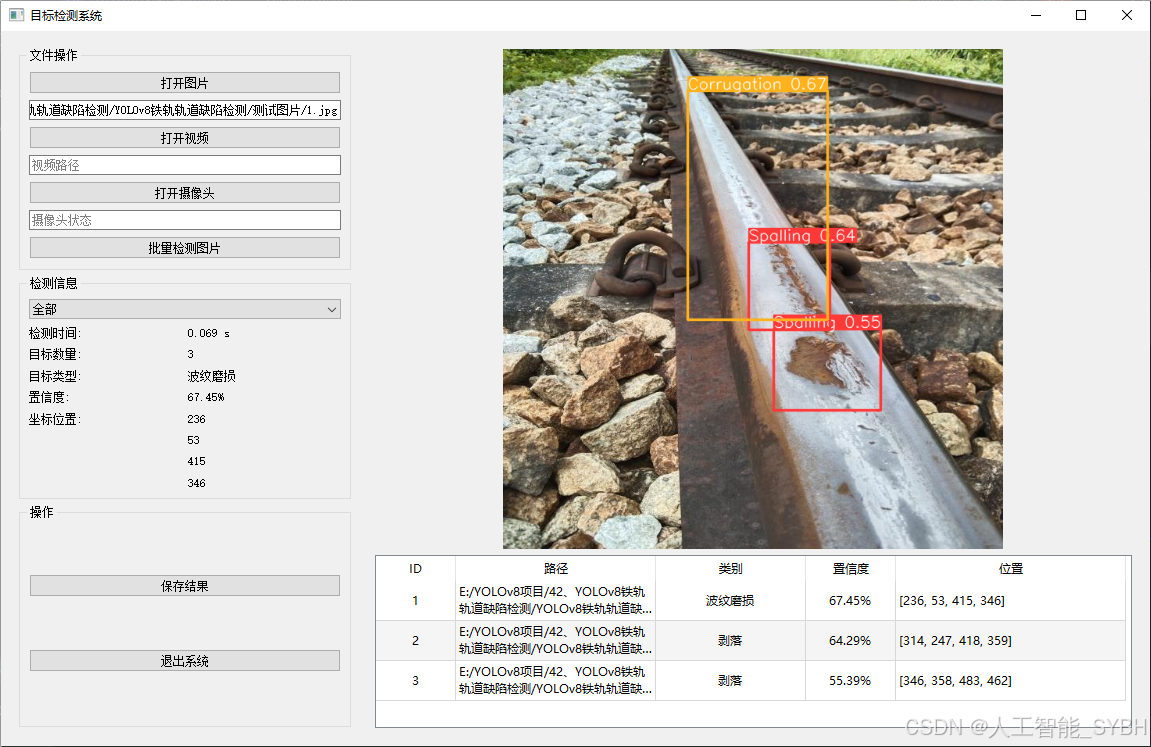
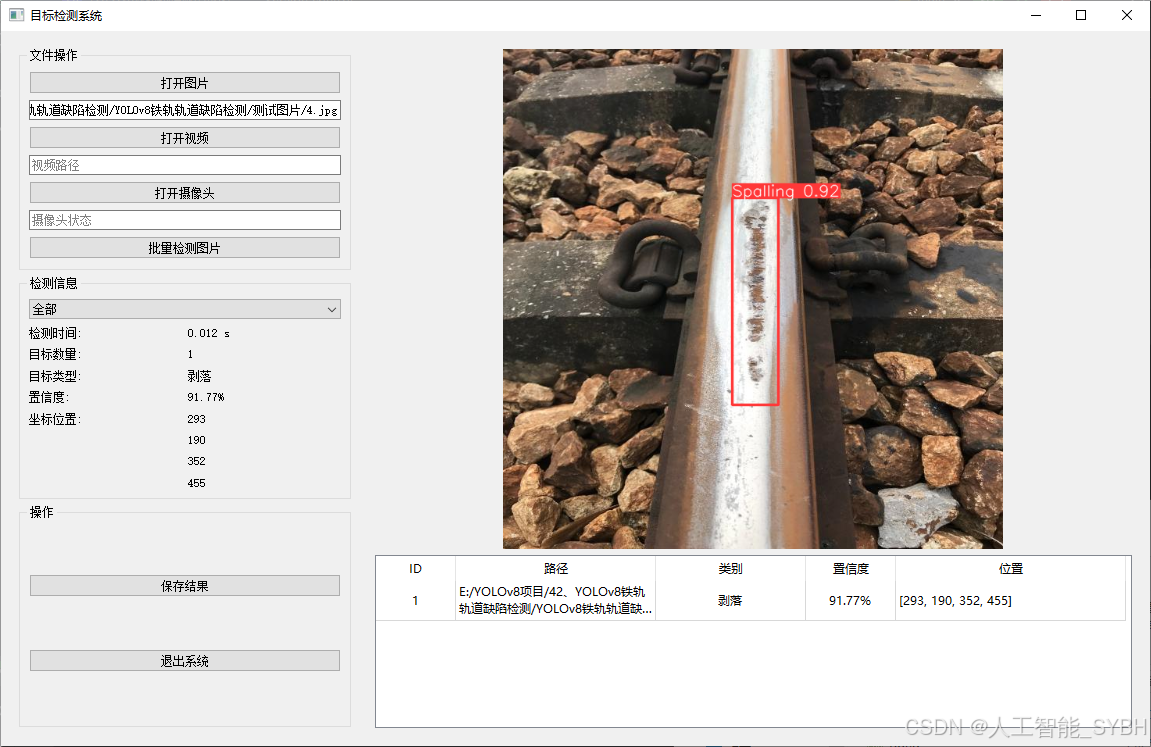
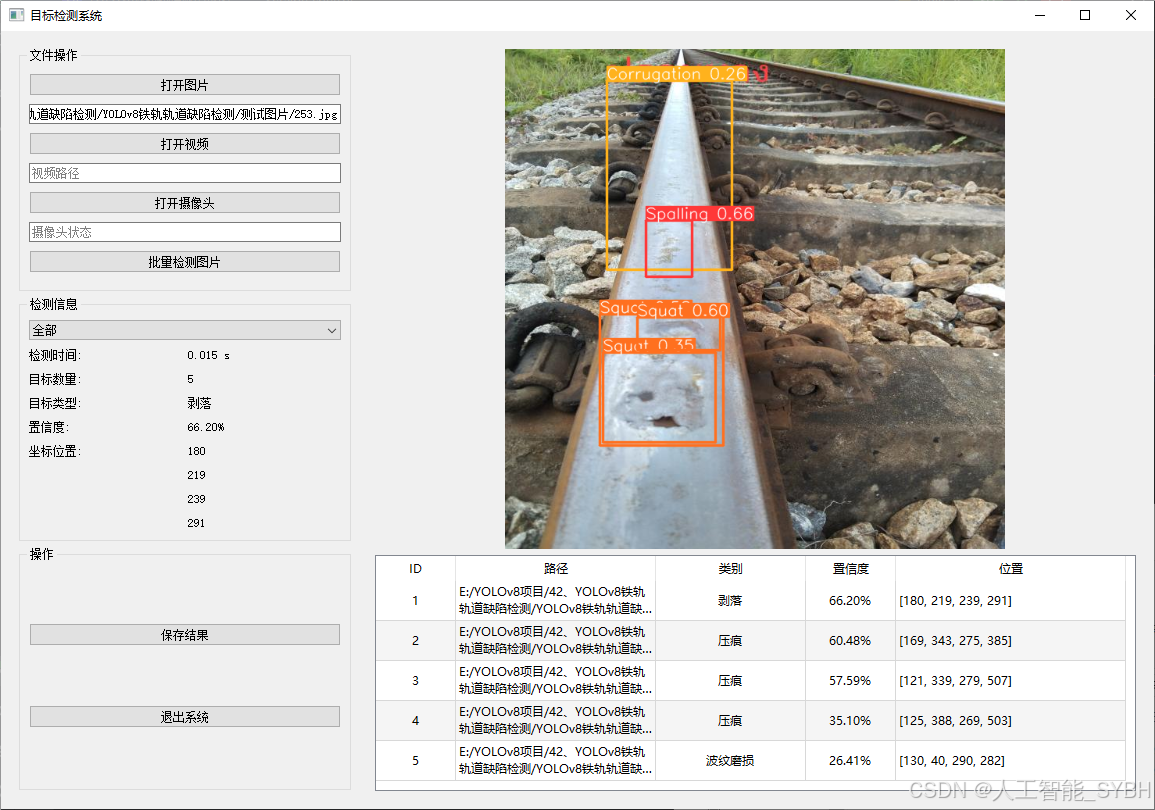
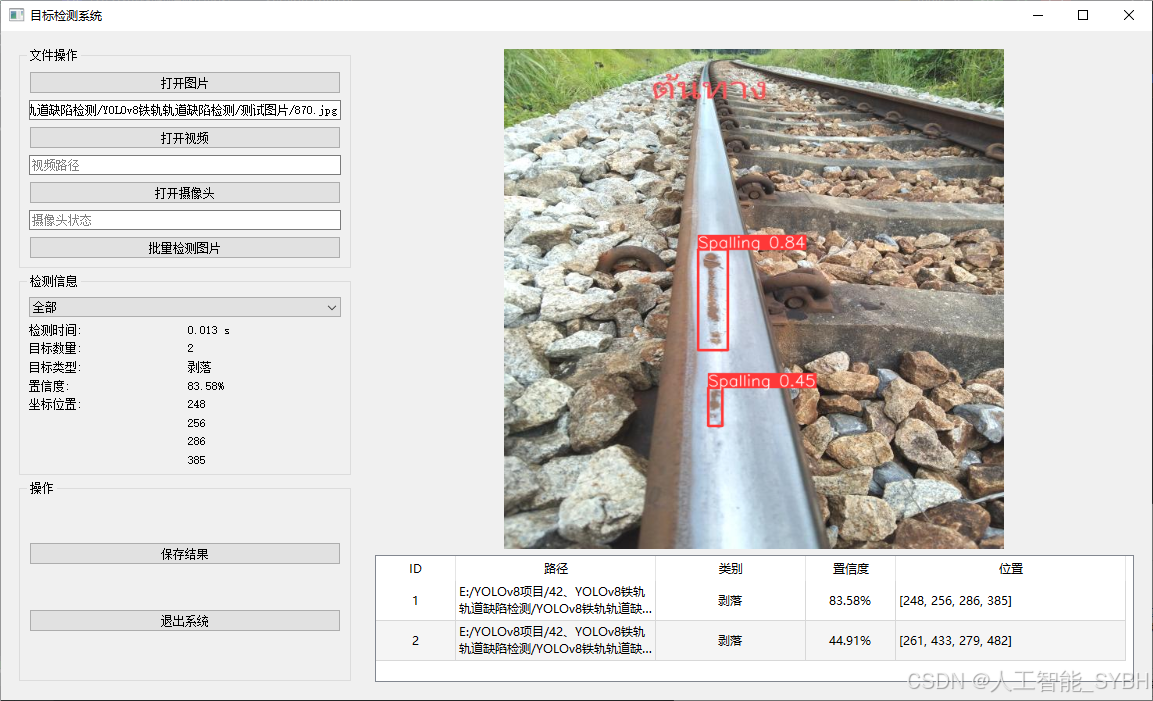
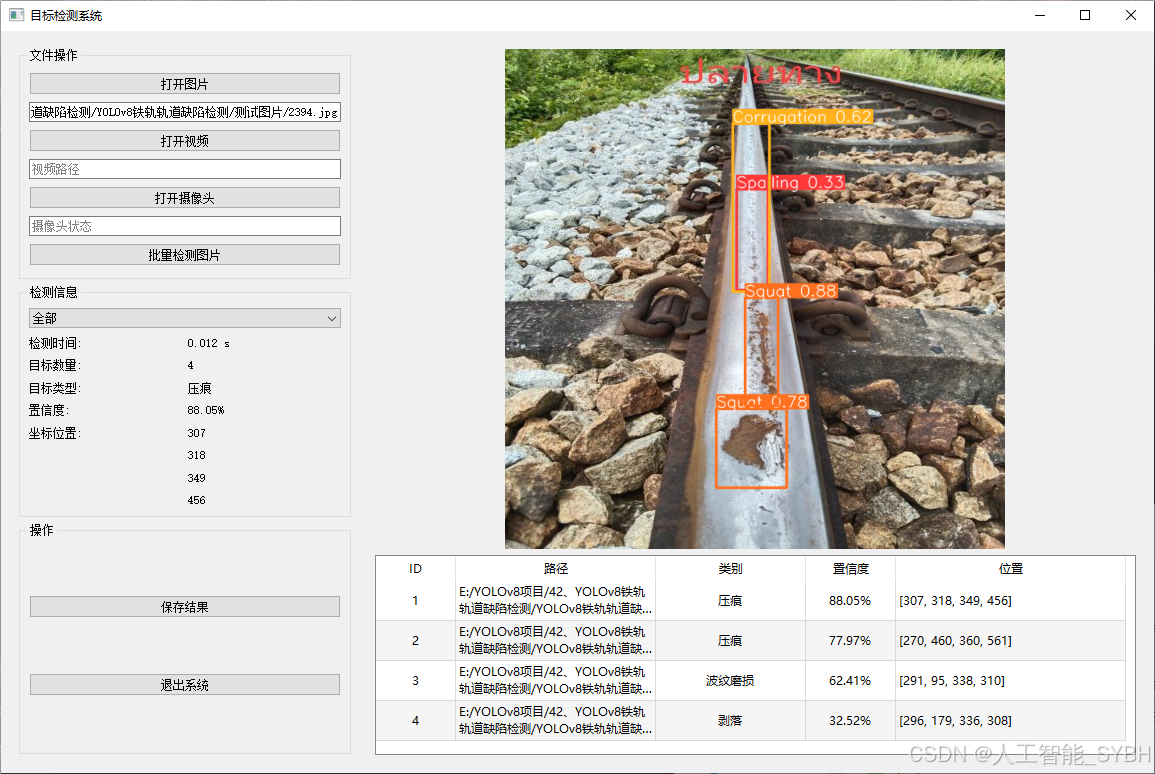
✅ 图片检测:可对单张图片进行检测,返回检测框及类别信息。
✅ 批量图片检测:支持文件夹输入,一次性检测多张图片,生成批量检测结果。
✅ 视频检测:支持视频文件输入,检测视频中每一帧的情况。
✅ 摄像头实时检测:连接USB 摄像头,实现实时监测,
-
图片检测
该功能允许用户通过单张图片进行目标检测。输入一张图片后,YOLO模型会实时分析图像,识别出其中的目标,并在图像中框出检测到的目标,输出带有目标框的图像。批量图片检测
用户可以一次性上传多个图片进行批量处理。该功能支持对多个图像文件进行并行处理,并返回每张图像的目标检测结果,适用于需要大规模处理图像数据的应用场景。
-
视频检测
视频检测功能允许用户将视频文件作为输入。YOLO模型将逐帧分析视频,并在每一帧中标记出检测到的目标。最终结果可以是带有目标框的视频文件或实时展示,适用于视频监控和分析等场景。
-
摄像头实时检测
该功能支持通过连接摄像头进行实时目标检测。YOLO模型能够在摄像头拍摄的实时视频流中进行目标检测,实时识别并显示检测结果。此功能非常适用于安防监控、无人驾驶、智能交通等应用,提供即时反馈。
核心特点:
- 高精度:基于YOLO模型,提供精确的目标检测能力,适用于不同类型的图像和视频。
- 实时性:特别优化的算法使得实时目标检测成为可能,无论是在视频还是摄像头实时检测中,响应速度都非常快。
- 批量处理:支持高效的批量图像和视频处理,适合大规模数据分析。
三、数据集介绍
数据集名称: 铁轨轨道缺陷检测数据集
数据集内容:
-
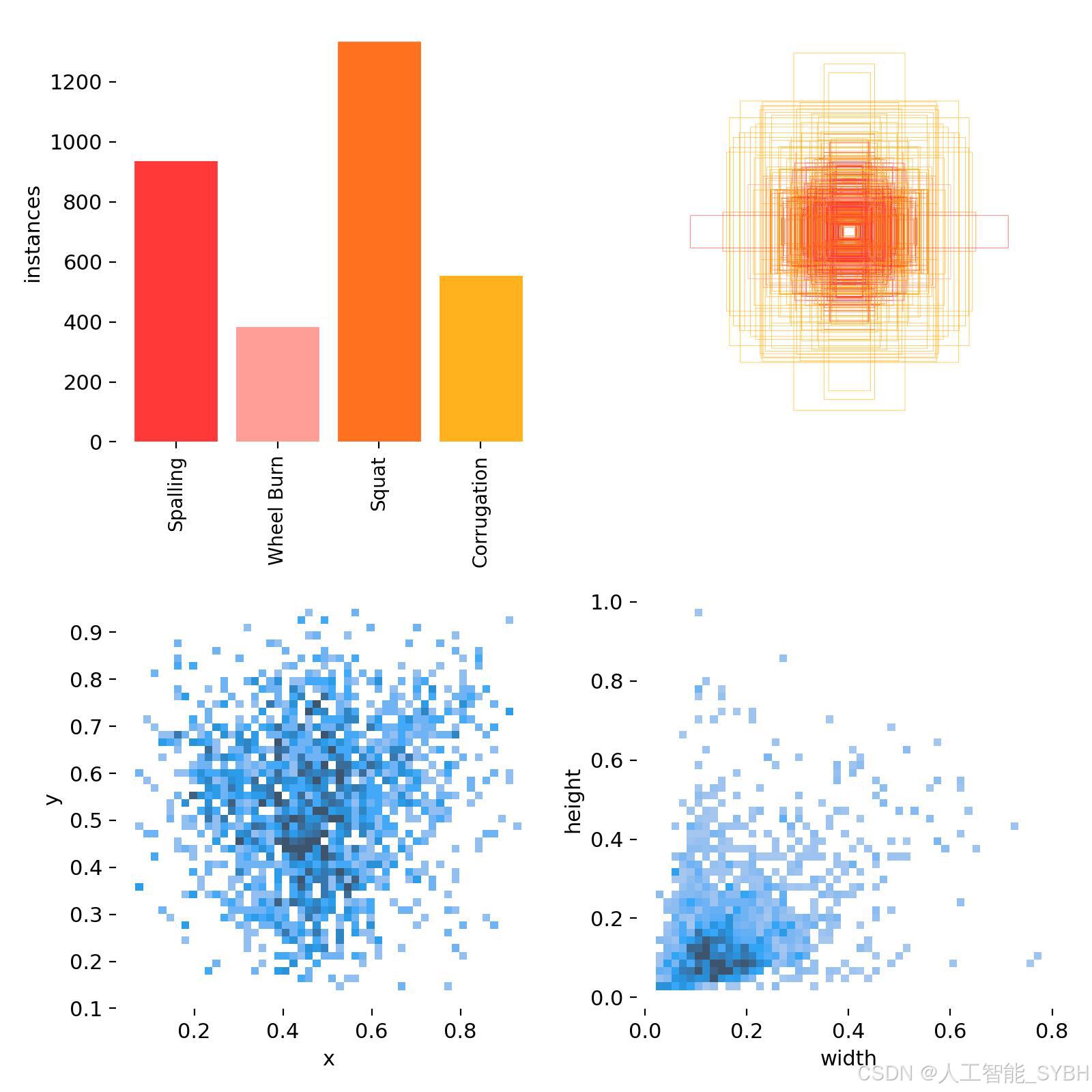
类别数量 (nc): 4类
-
类别名称: ["Spalling", "Wheel Burn", "Squat", "Corrugation"]
-
Spalling: 轨道表面剥落 -
Wheel Burn: 轮轨烧伤 -
Squat: 轨道压痕 -
Corrugation: 波浪磨耗
-
-
-
数据集规模:
-
训练集: 1916张图像
-
验证集: 240张图像
-
测试集: 240张图像
-
数据来源:
-
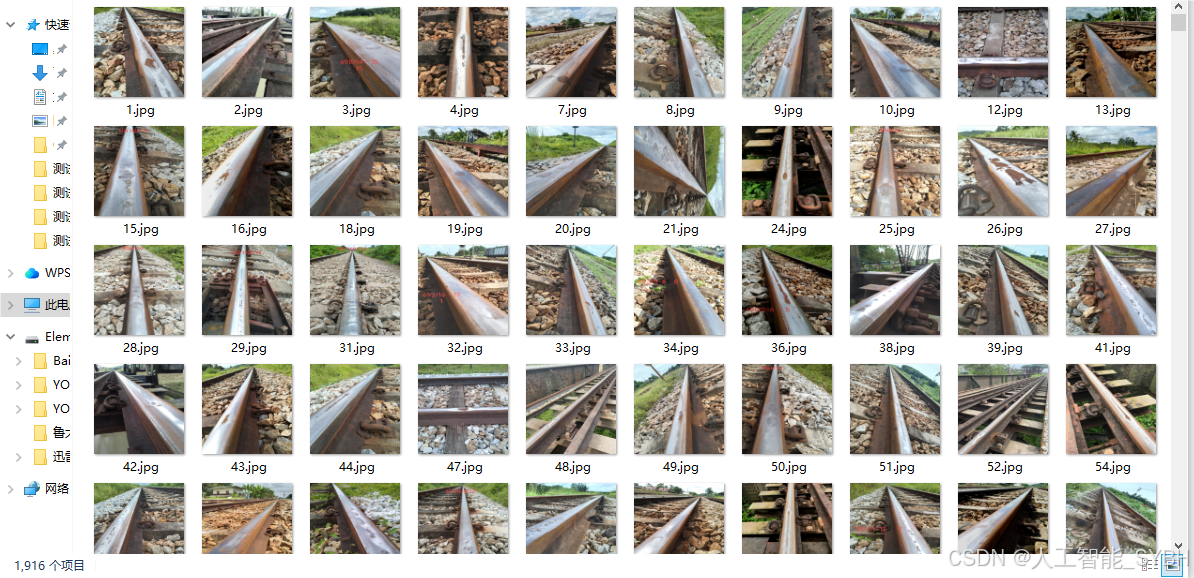
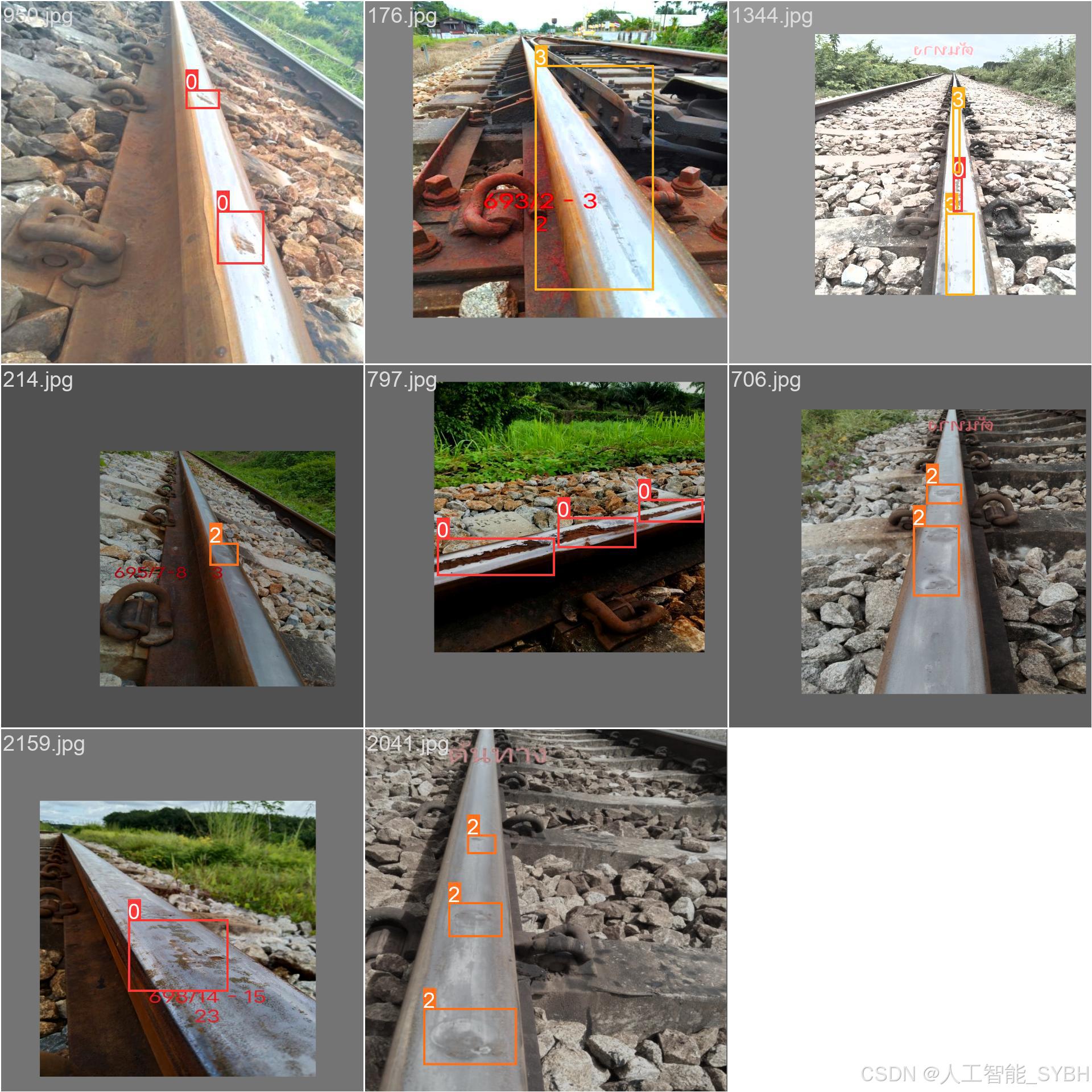
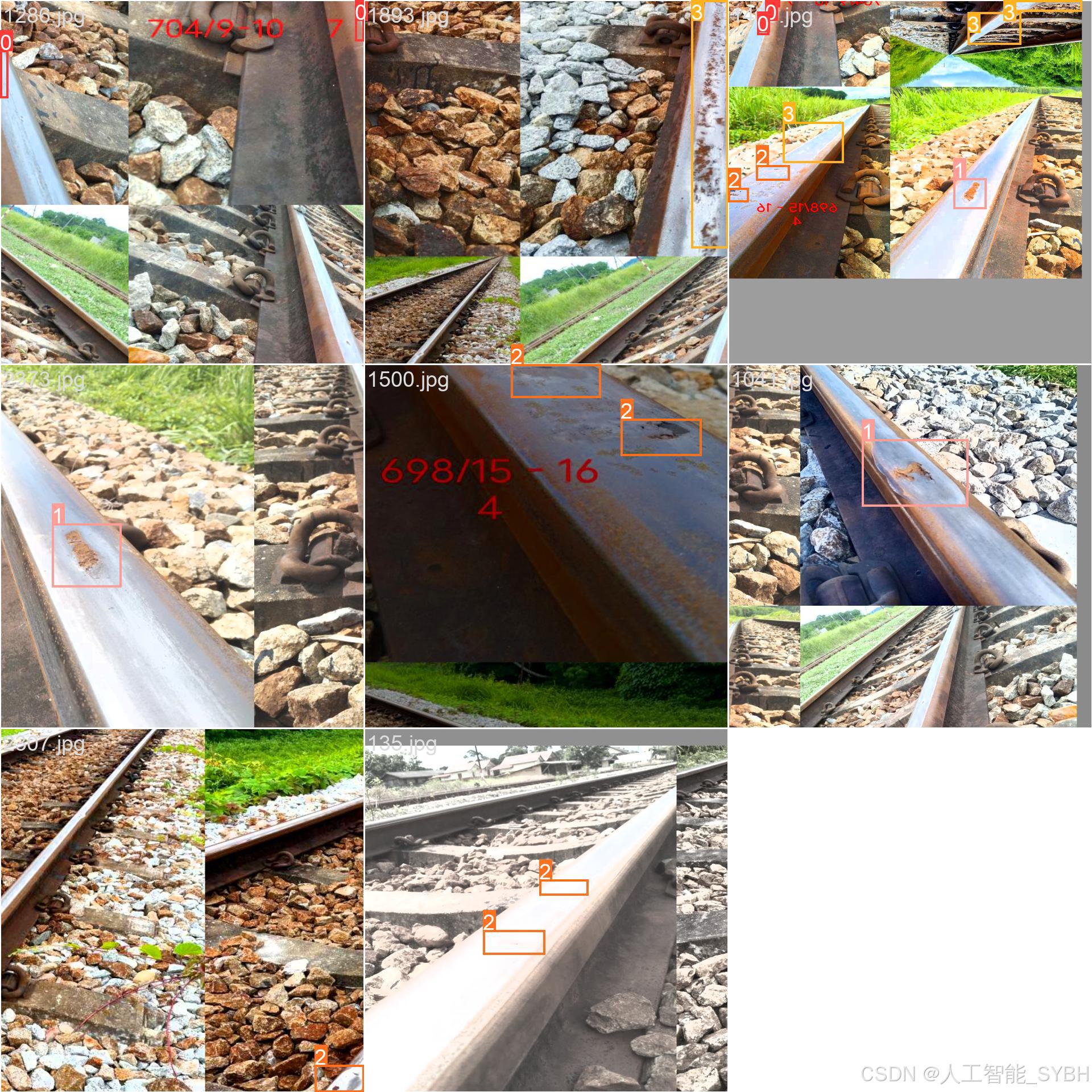
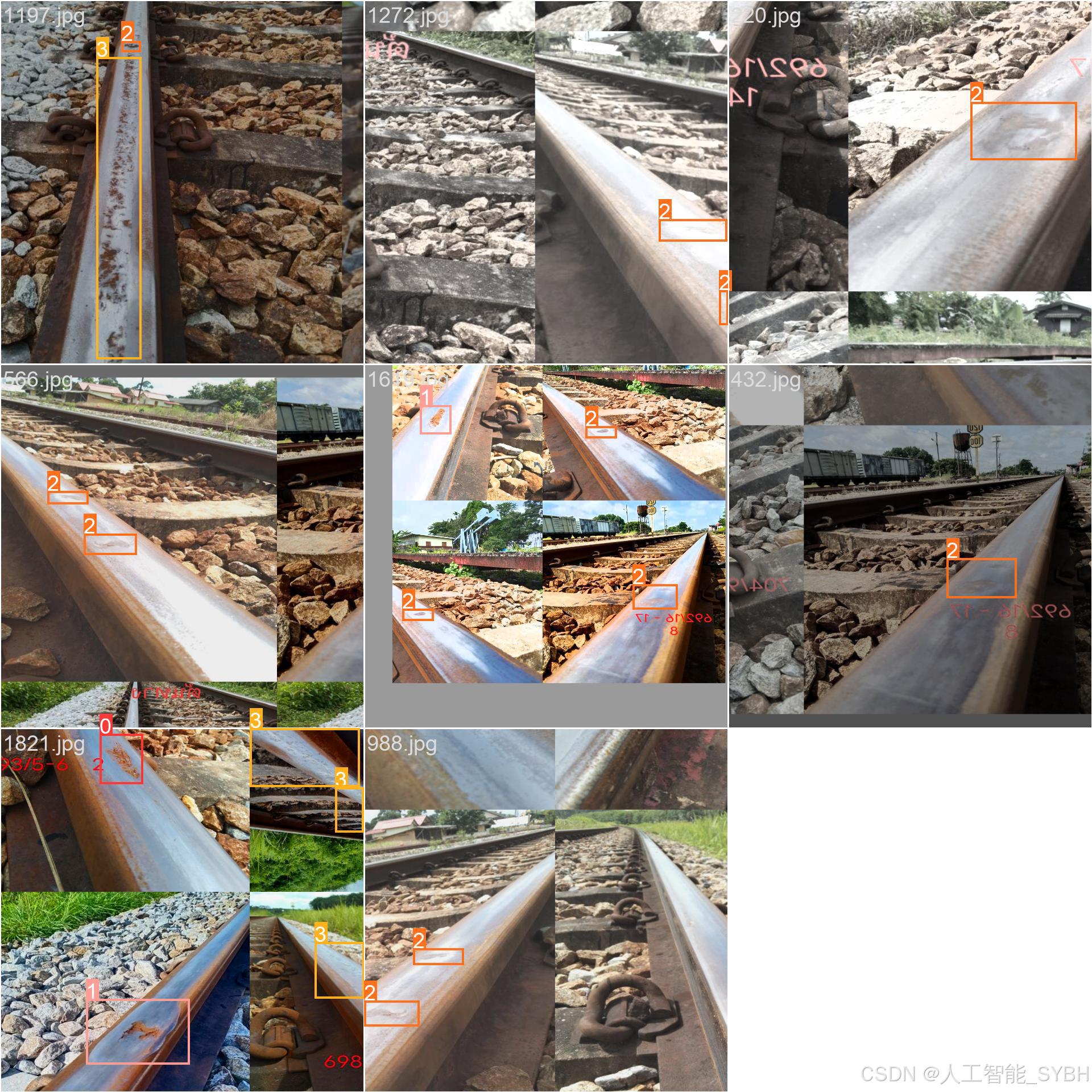
数据集通过实地拍摄铁路轨道图像构建,涵盖了不同光照条件、轨道材质和缺陷形态,以确保模型的泛化能力。
数据标注:
-
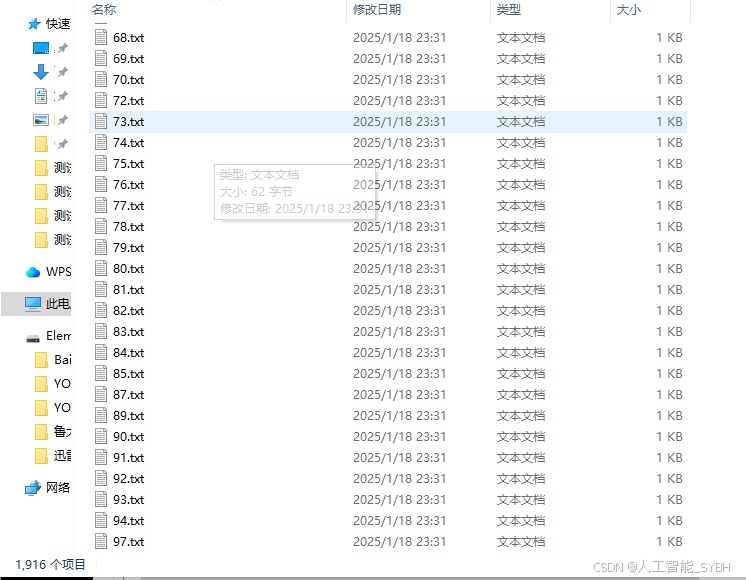
每张图像中的轨道缺陷均使用边界框(Bounding Box)标注,并标注对应的缺陷类别。
-
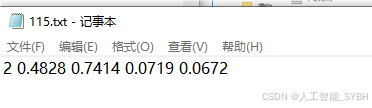
标注格式为YOLO格式(class_id, x_center, y_center, width, height),便于直接用于YOLOv8模型的训练。
数据增强:
-
为提高模型的鲁棒性,数据集进行了以下增强处理:
-
随机旋转
-
亮度调整
-
对比度调整
-
水平翻转
-
添加噪声
-
数据集特点:
-
多样性: 数据集包含不同缺陷类型的轨道图像,覆盖了多种场景和光照条件。
-
高质量: 图像分辨率高,标注精确,适合深度学习模型的训练。
-
平衡性: 四类样本数量分布相对均衡,避免了类别不平衡问题。
数据集使用:
-
训练集用于训练YOLOv8模型,验证集用于评估模型的性能,测试集用于最终模型的测试和验证。
-
数据集划分合理,确保模型在训练过程中能够充分学习特征,并在验证集和测试集上表现出良好的泛化能力。
数据集配置文件data.yaml
train: .\datasets\images\train
val: .\datasets\images\val
test: .\datasets\images\test

nc: 4 # 20288 of 40670 images, submit to https://competitions.codalab.org/competitions/20794

# Classes
names: ["Spalling", "Wheel Burn", "Squat" , "Corrugation"]
数据集制作流程
-
标注数据:使用标注工具(如LabelImg、CVAT等)对图像中的目标进行标注。每个目标需要标出边界框,并且标注类别。
-
转换格式:将标注的数据转换为YOLO格式。YOLO标注格式为每行:
<object-class> <x_center> <y_center> <width> <height>,这些坐标是相对于图像尺寸的比例。 -
分割数据集:将数据集分为训练集、验证集和测试集,通常的比例是80%训练集、10%验证集和10%测试集。
-
准备标签文件:为每张图片生成一个对应的标签文件,确保标签文件与图片的命名一致。
-
调整图像尺寸:根据YOLO网络要求,统一调整所有图像的尺寸(如416x416或608x608)。
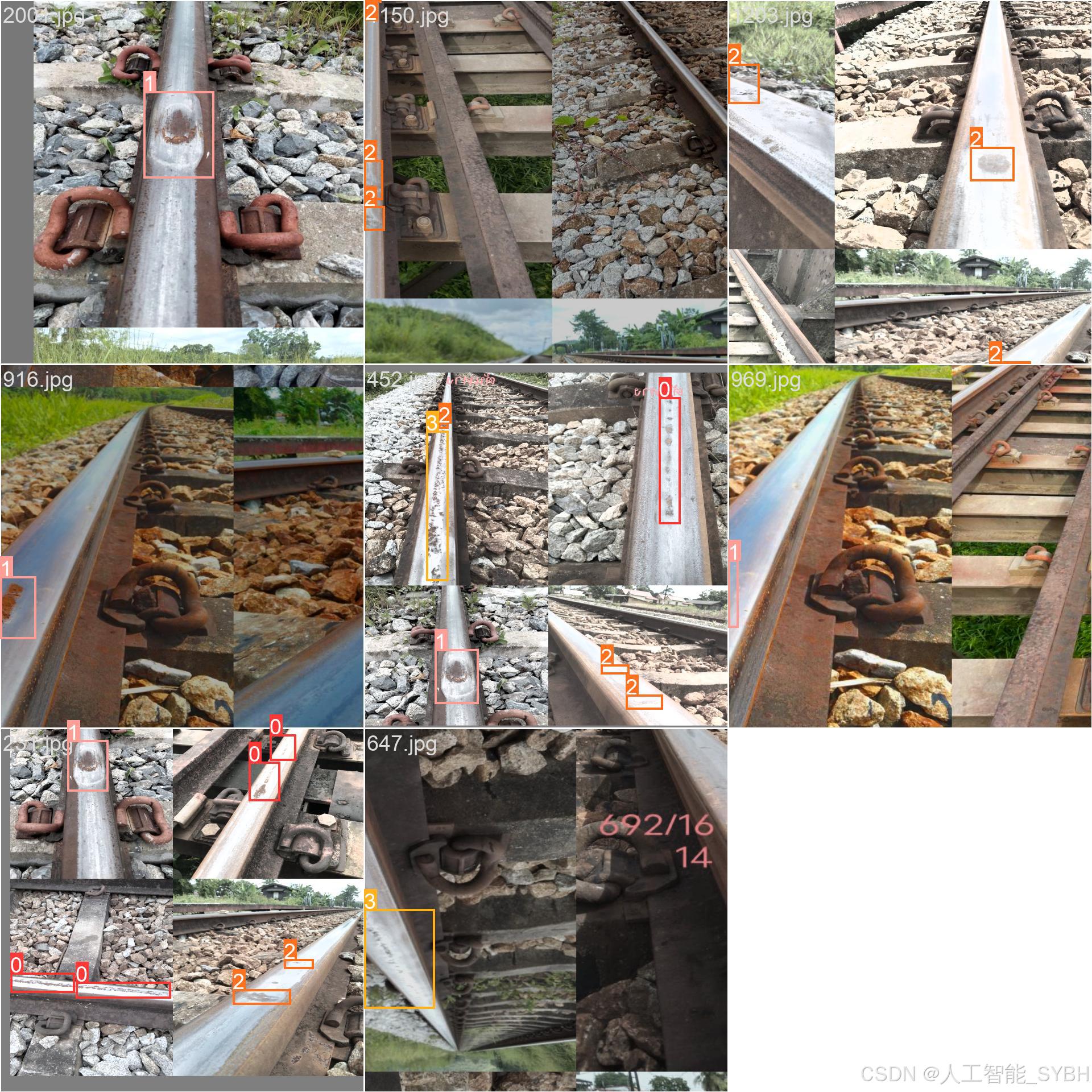
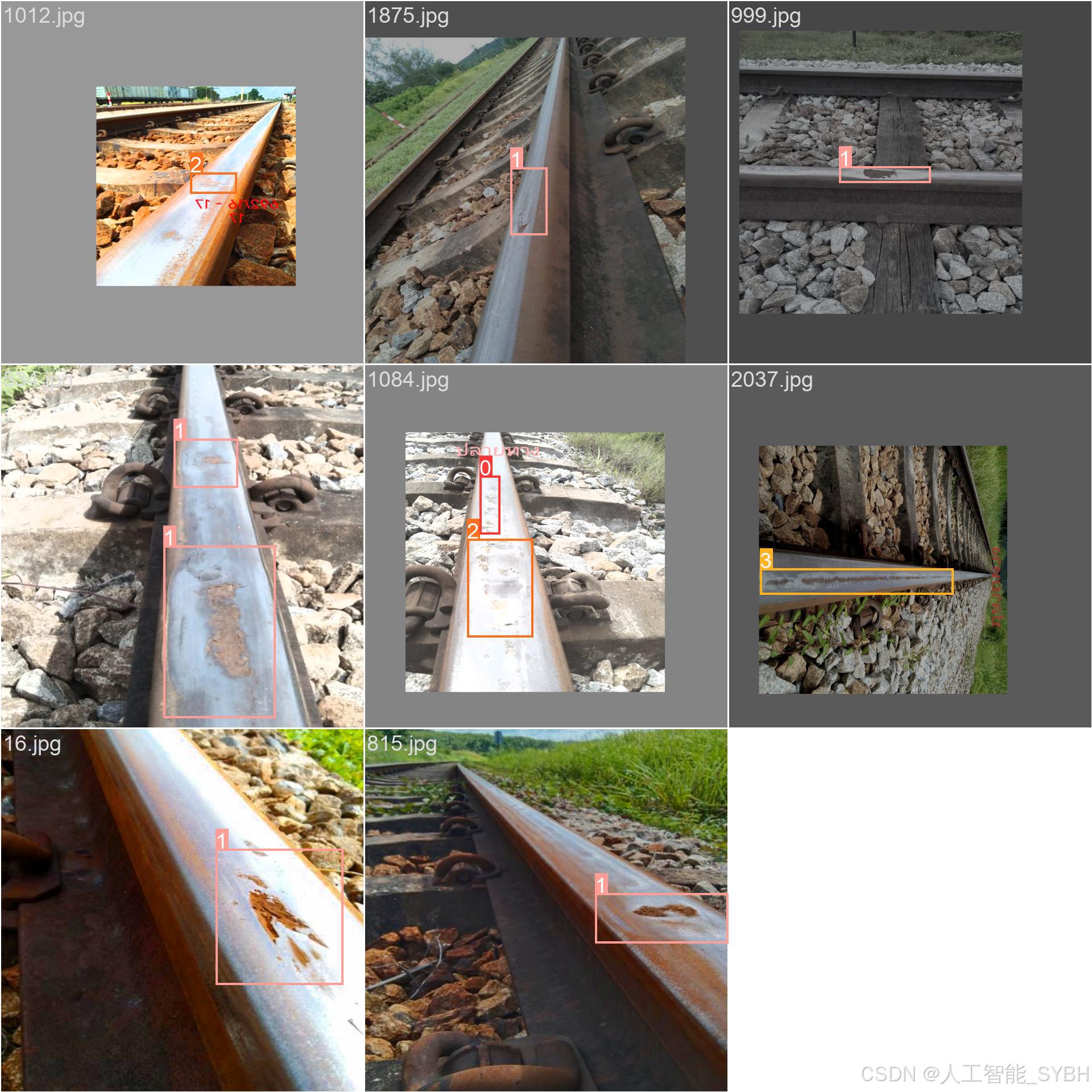
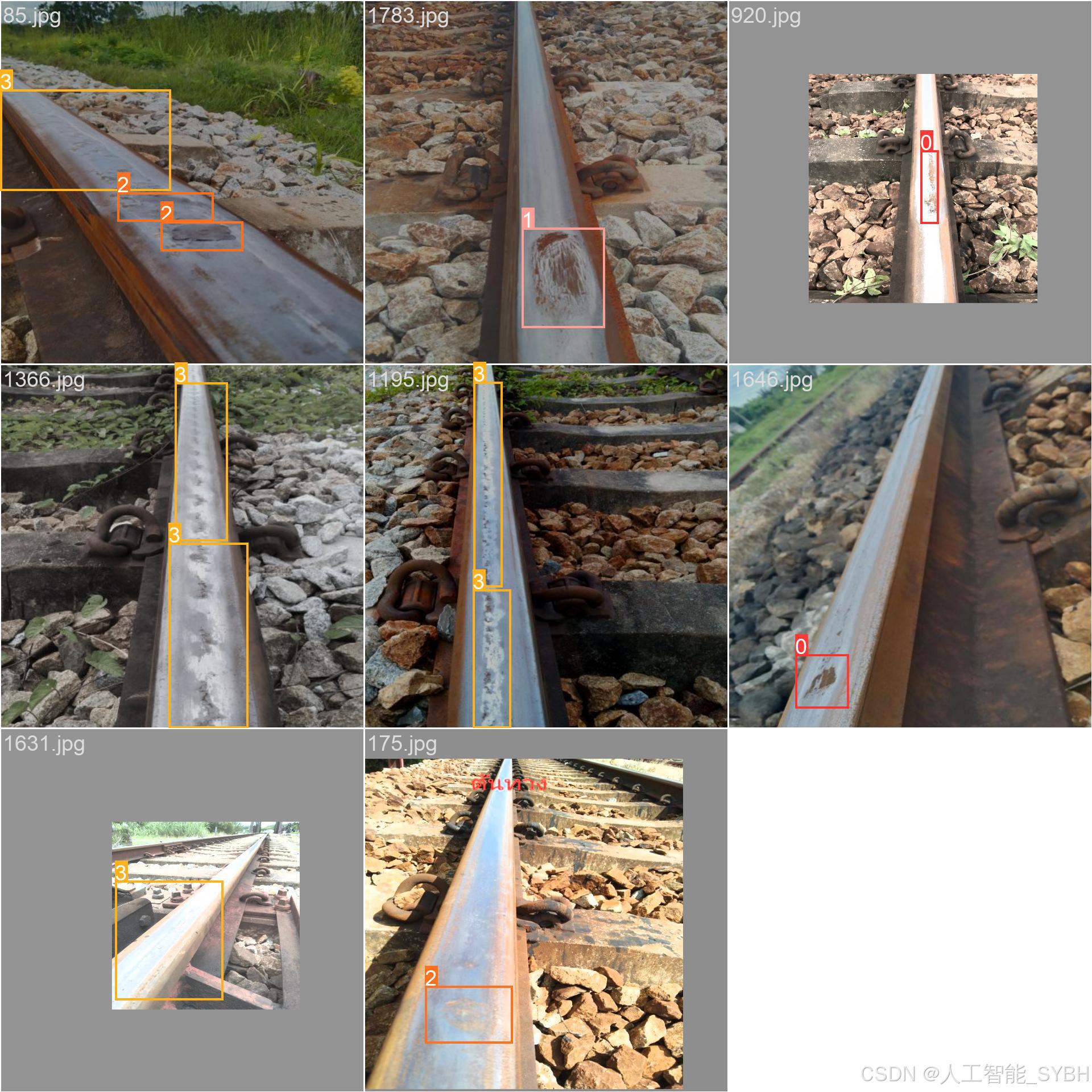
四、项目环境配置
创建虚拟环境
首先新建一个Anaconda环境,每个项目用不同的环境,这样项目中所用的依赖包互不干扰。
终端输入
conda create -n yolov8 python==3.9

激活虚拟环境
conda activate yolov8

安装cpu版本pytorch
pip install torch torchvision torchaudio

pycharm中配置anaconda


安装所需要库
pip install -r requirements.txt

五、模型训练
训练代码
from ultralytics import YOLO

model_path = 'yolov8s.pt'
data_path = 'datasets/data.yaml'

if __name__ == '__main__':
    model = YOLO(model_path)
    results = model.train(data=data_path,
                          epochs=500,
                          batch=64,
                          device='0',
                          workers=0,
                          project='runs/detect',
                          name='exp',
                          )
根据实际情况更换模型 yolov8n.yaml (nano):轻量化模型,适合嵌入式设备,速度快但精度略低。 yolov8s.yaml (small):小模型,适合实时任务。 yolov8m.yaml (medium):中等大小模型,兼顾速度和精度。 yolov8b.yaml (base):基本版模型,适合大部分应用场景。 yolov8l.yaml (large):大型模型,适合对精度要求高的任务。
--batch 64:每批次64张图像。--epochs 500:训练500轮。--datasets/data.yaml:数据集配置文件。--weights yolov8s.pt:初始化模型权重,yolov8s.pt是预训练的轻量级YOLO模型。
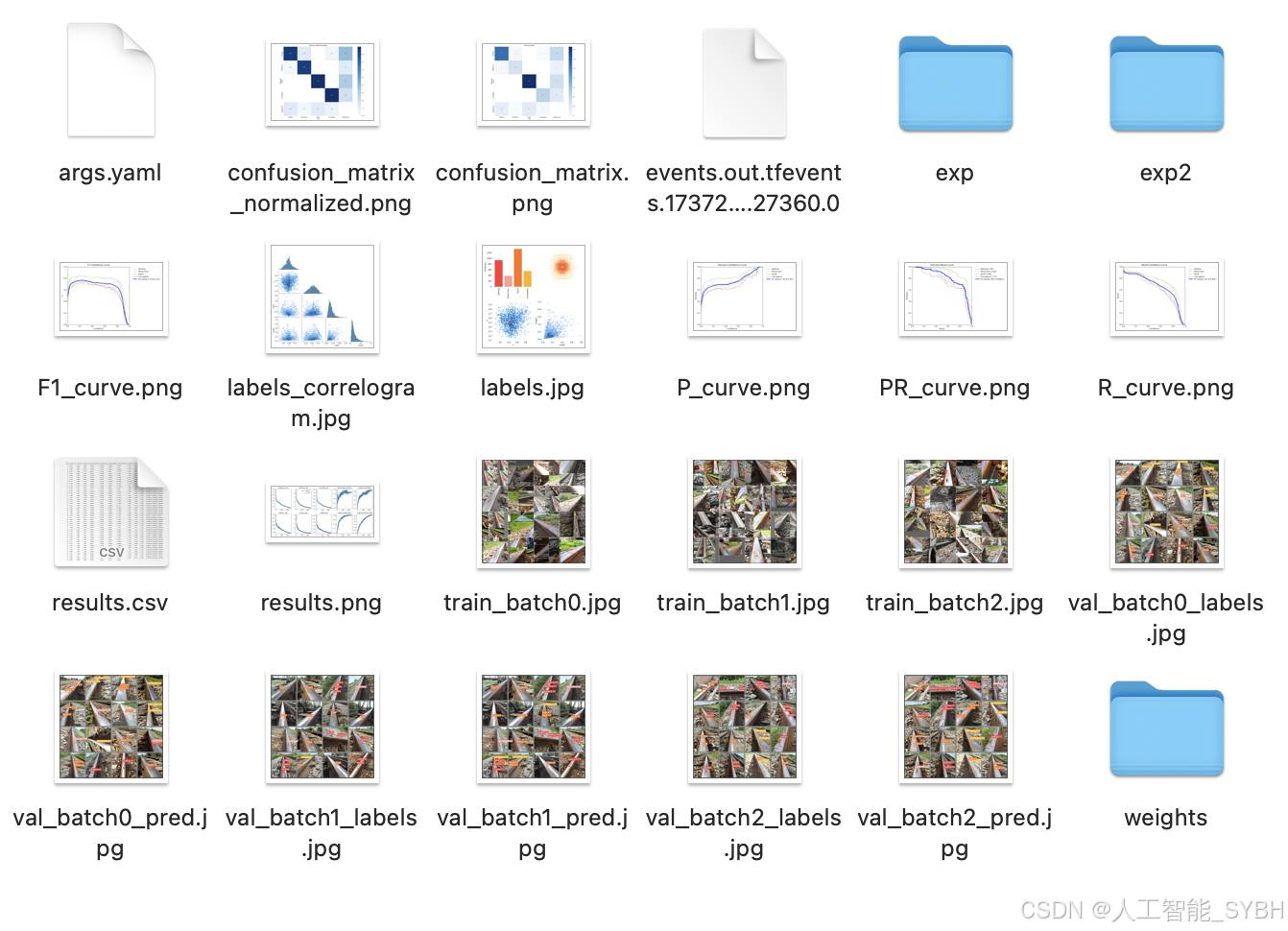
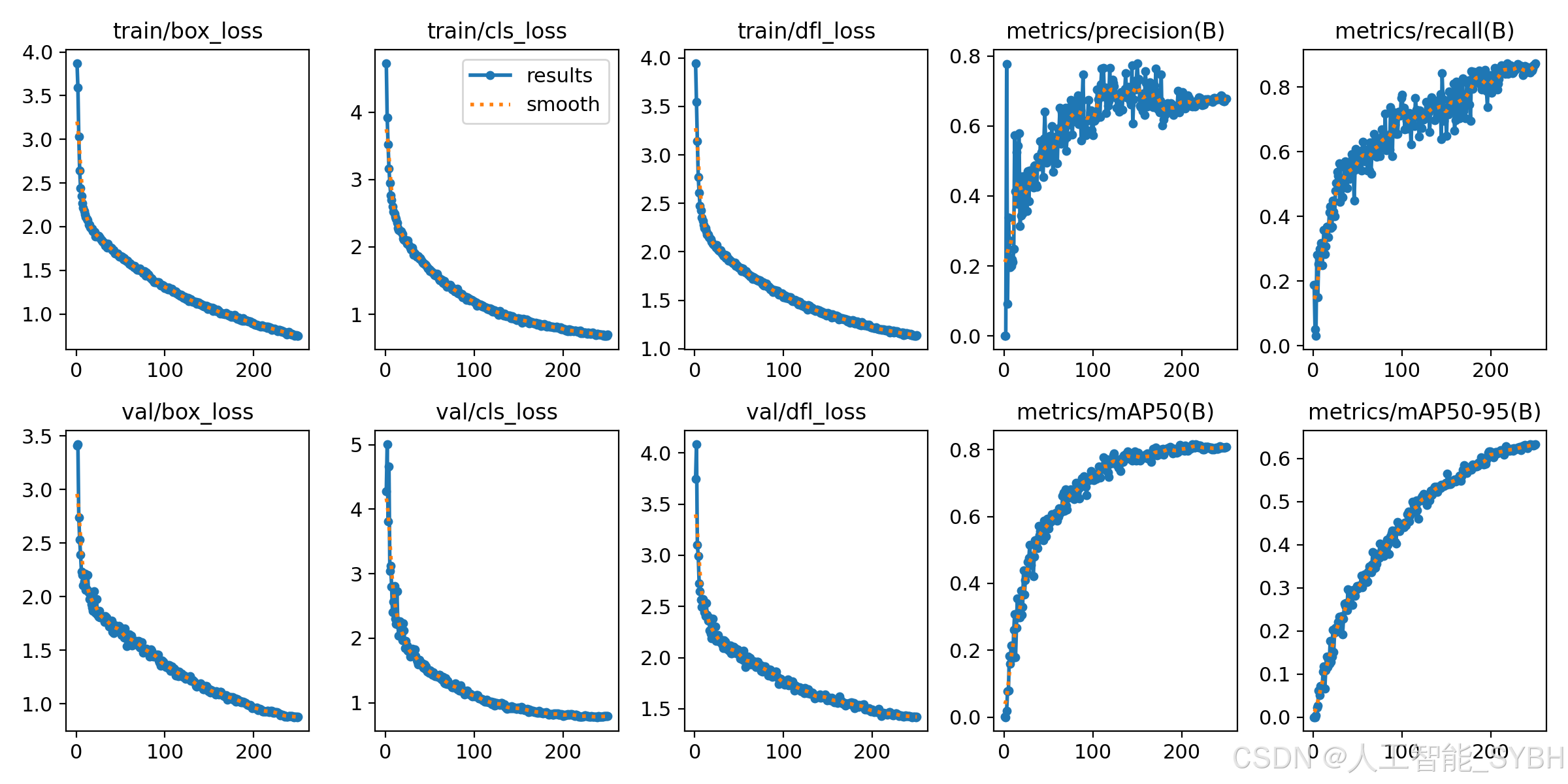
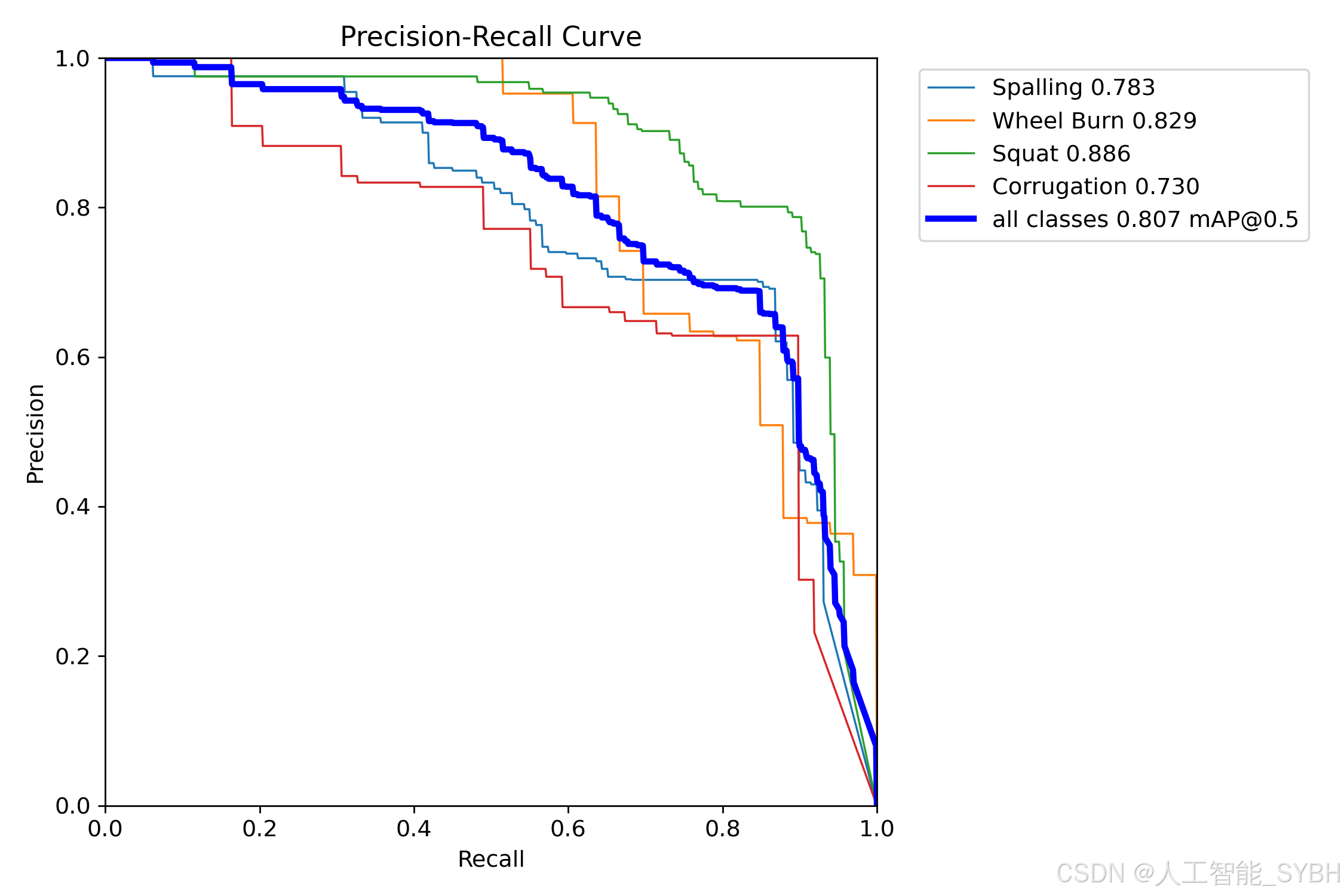
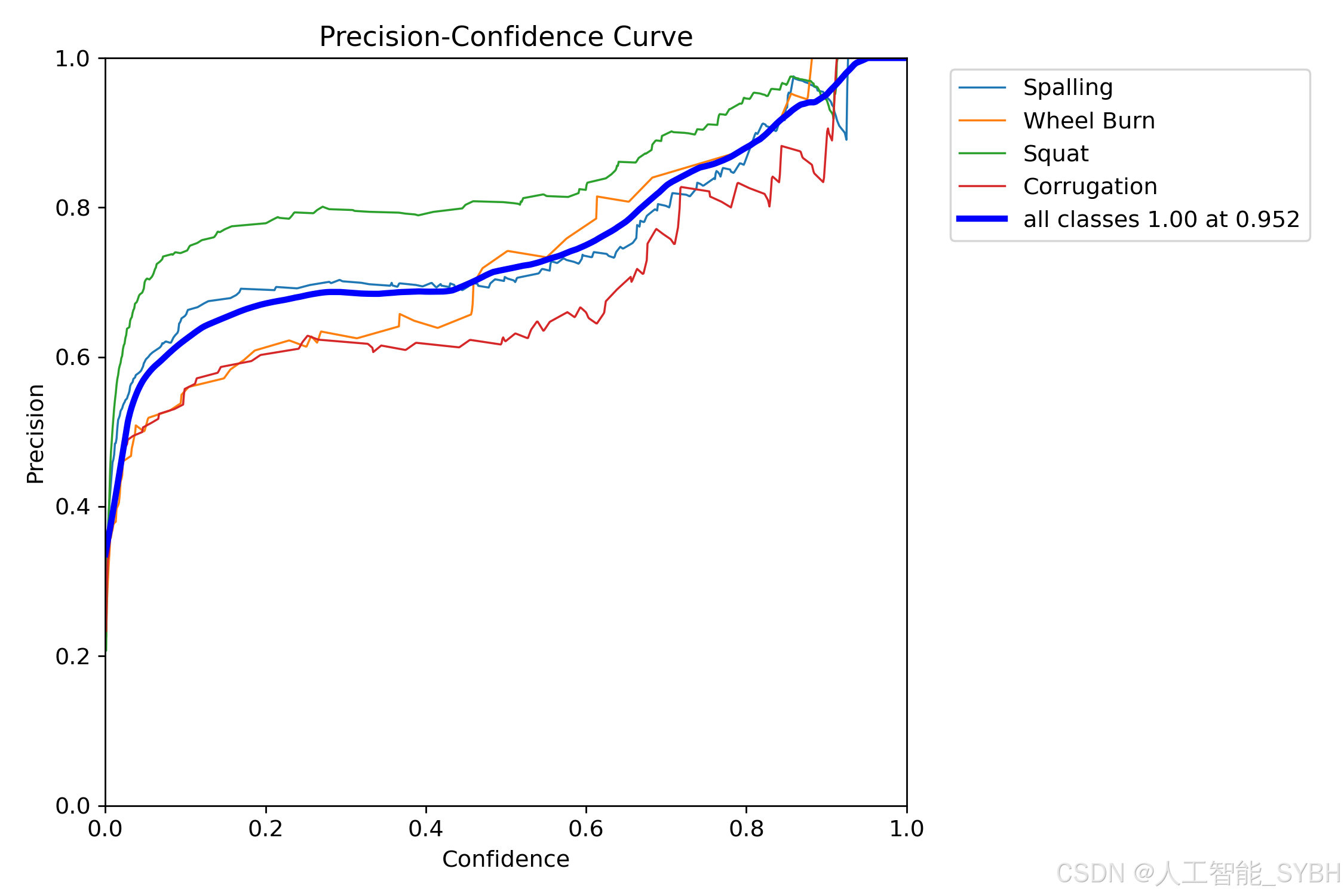
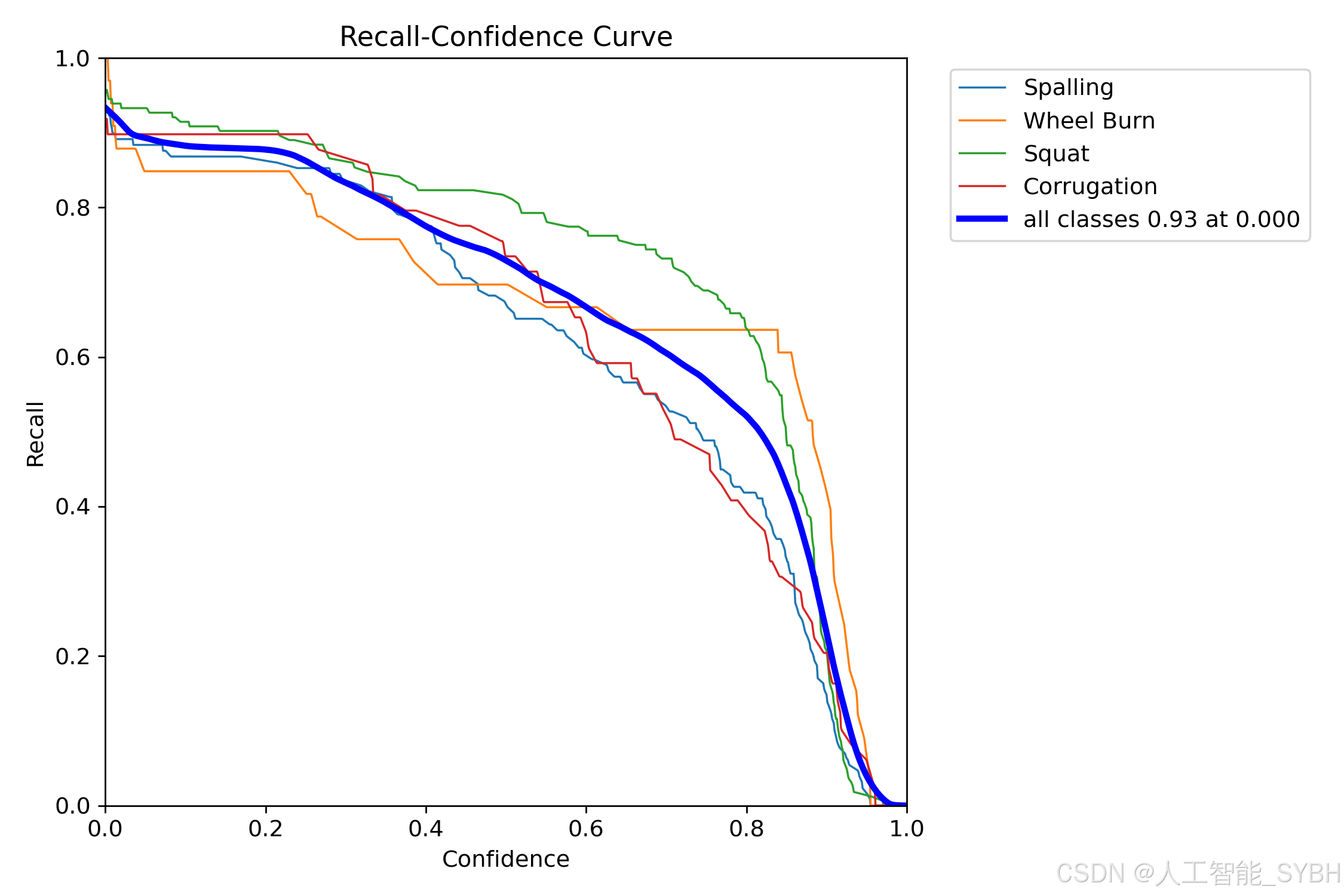
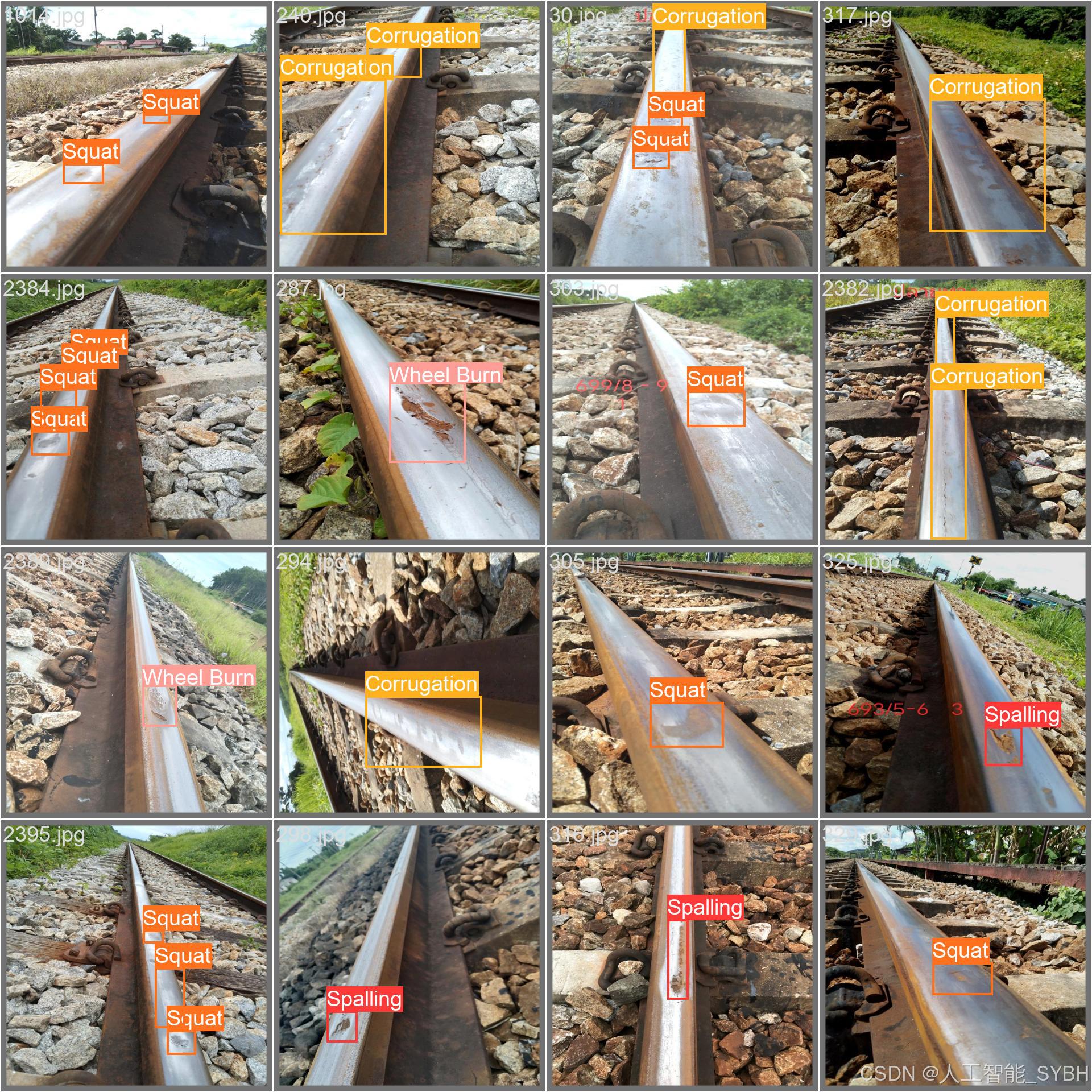
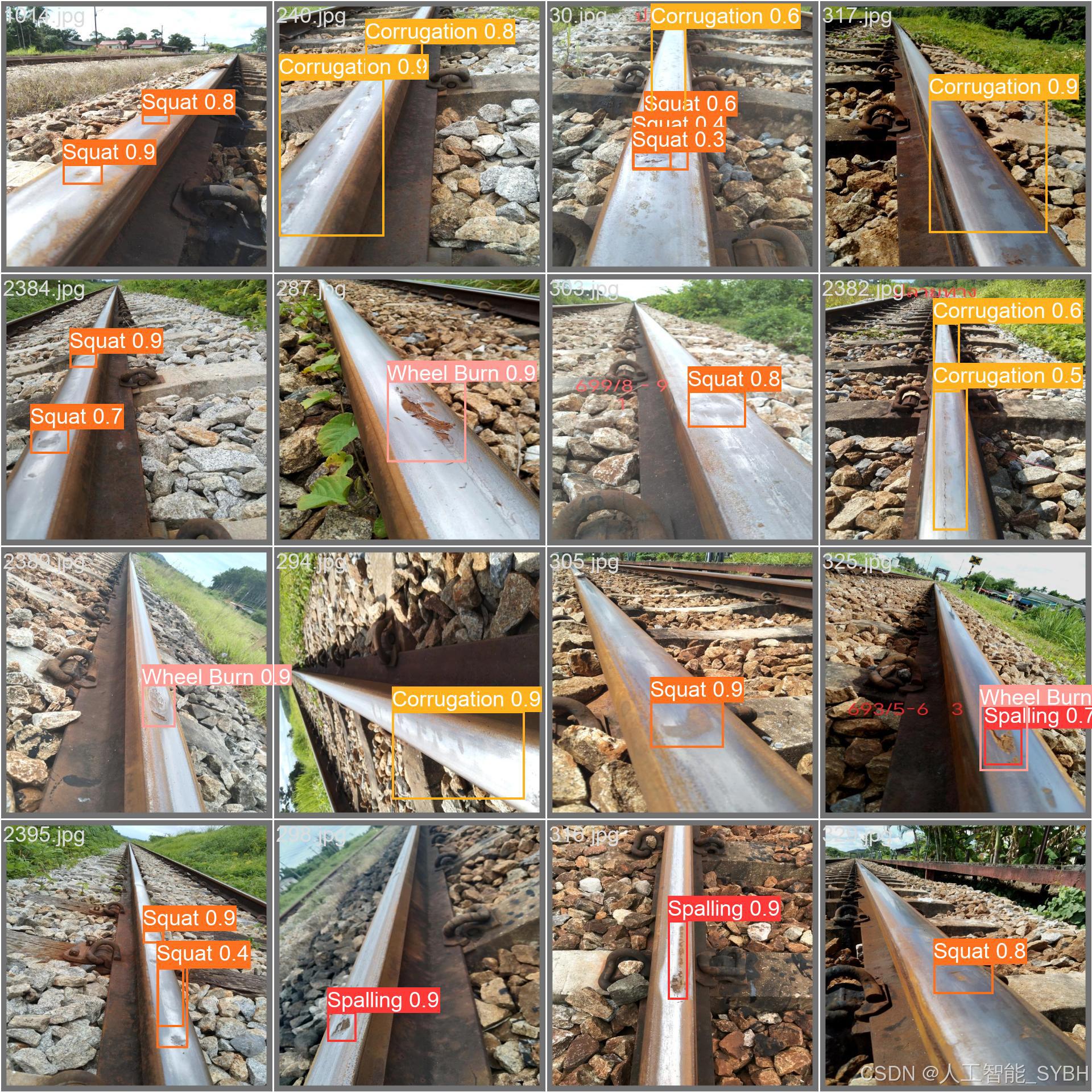
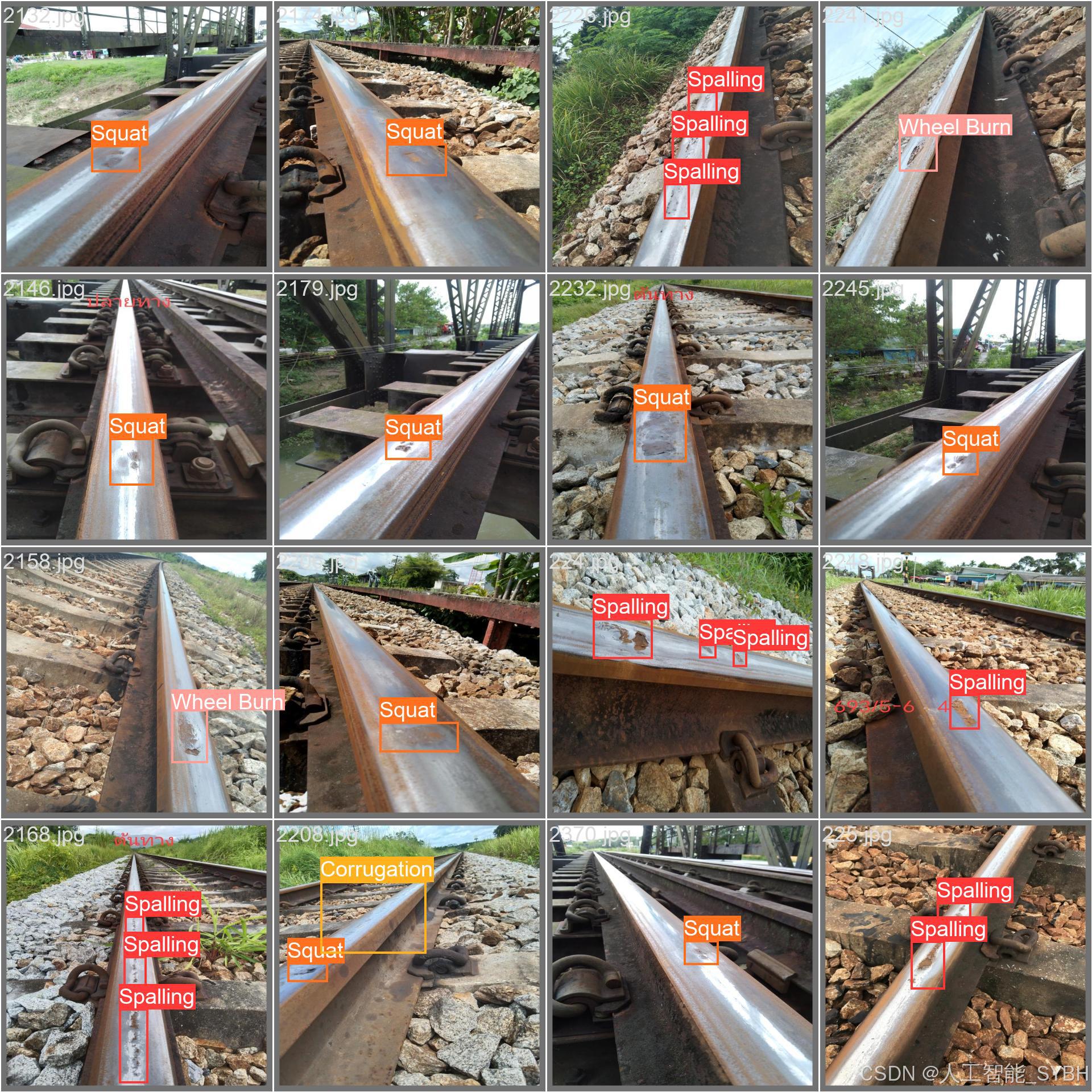
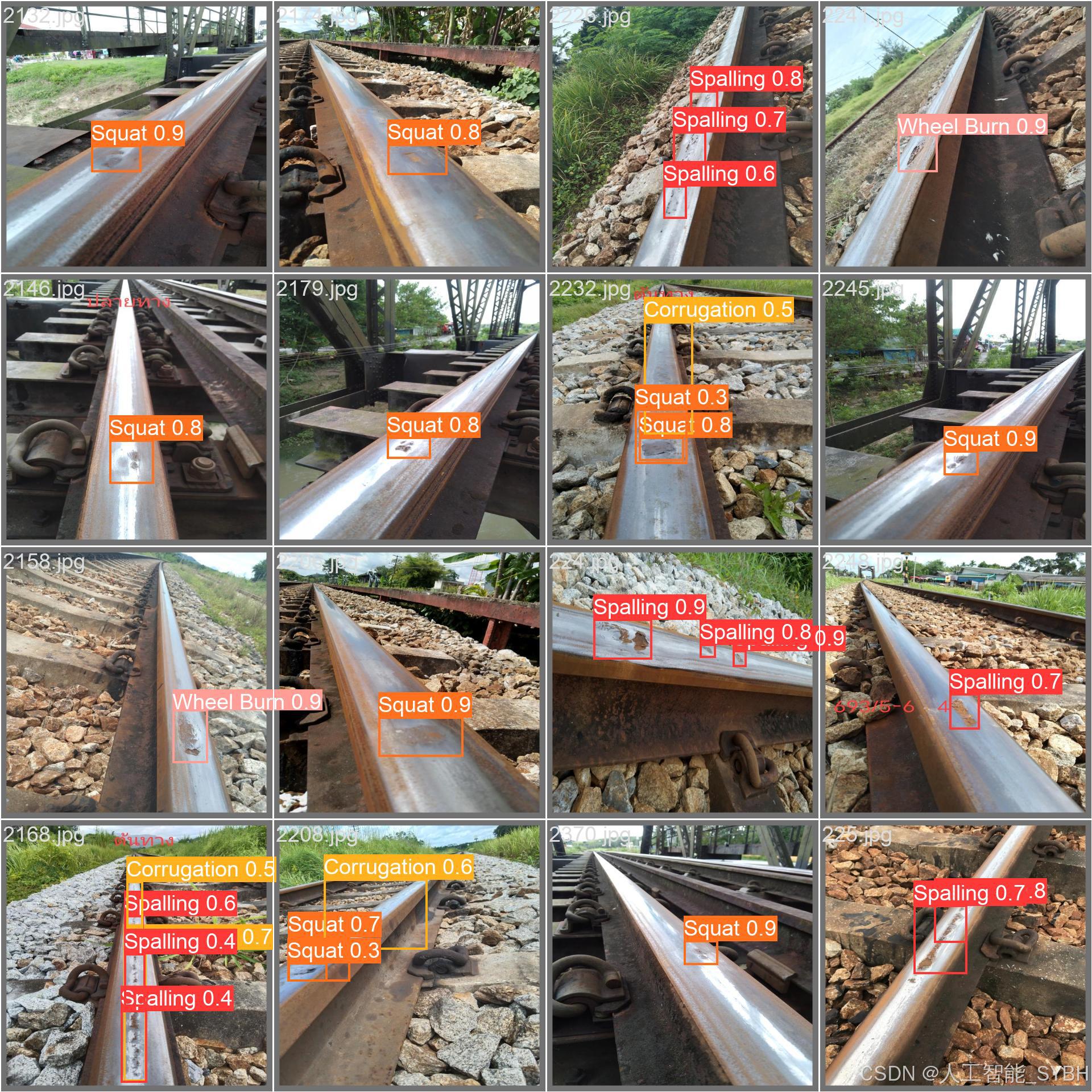
训练结果
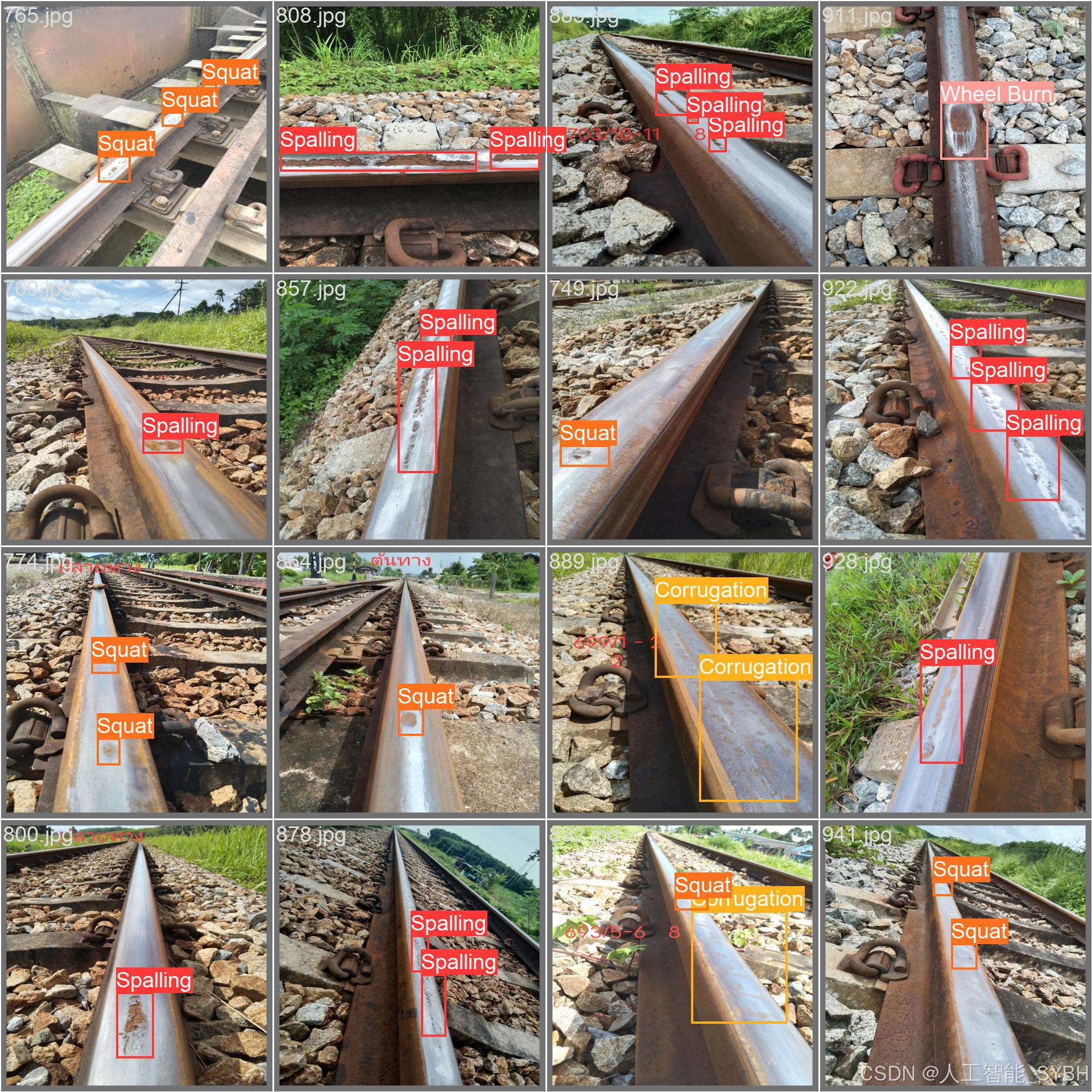
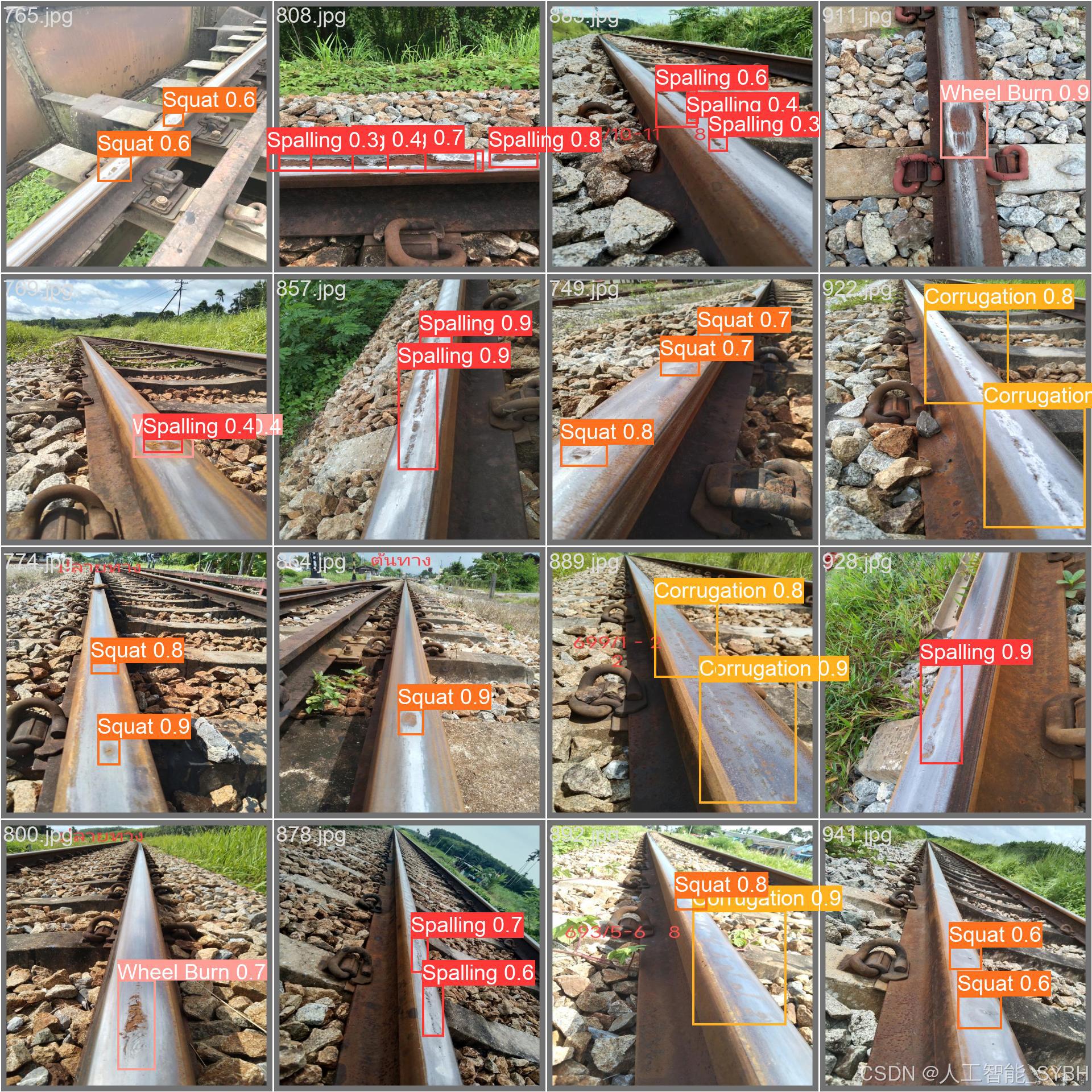
六、核心代码
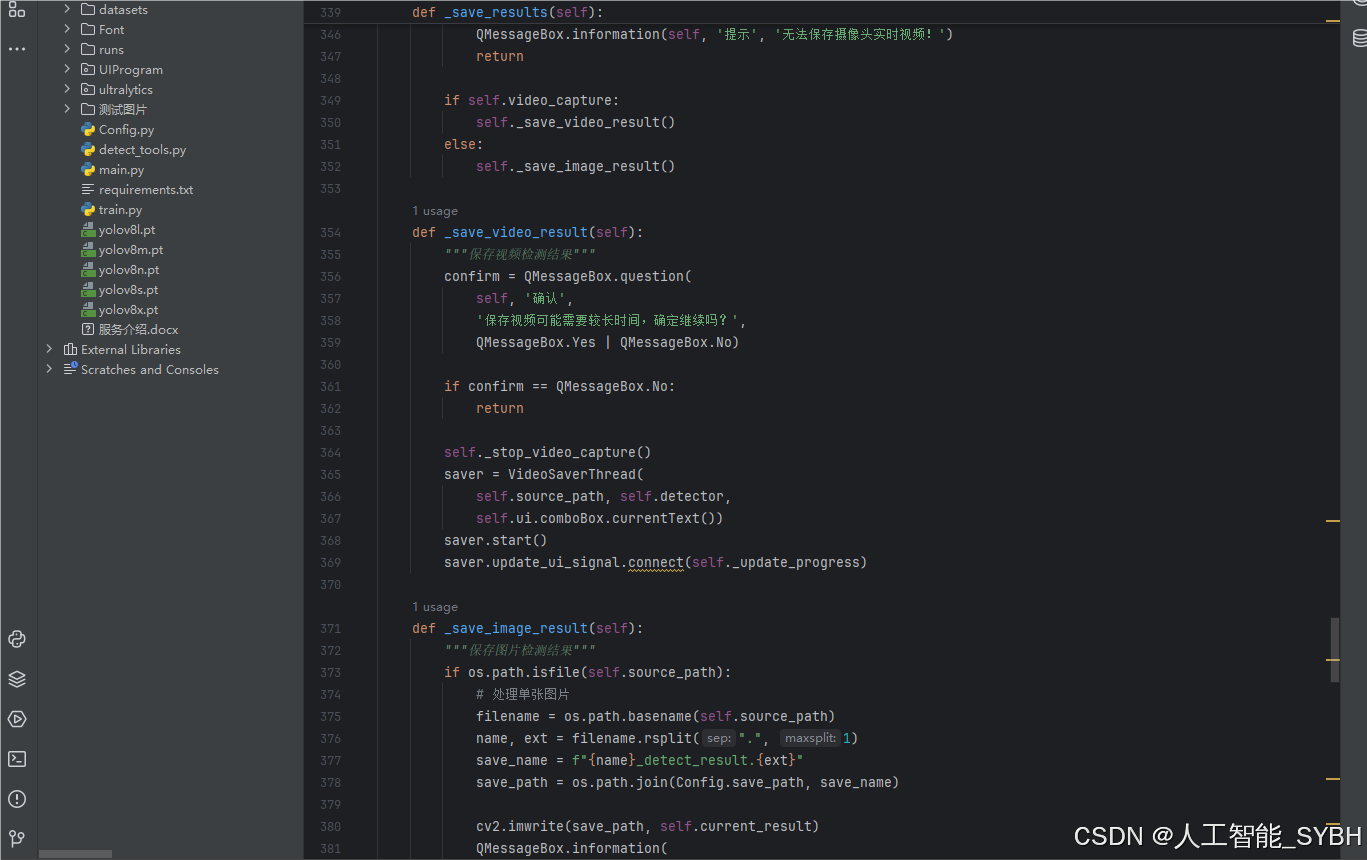
# -*- coding: utf-8 -*-
import os
import sys
import time
import cv2
import numpy as np
from PIL import ImageFont
from PyQt5.QtCore import Qt, QTimer, QThread, pyqtSignal, QCoreApplication
from PyQt5.QtWidgets import (QApplication, QMainWindow, QFileDialog,
                             QMessageBox, QWidget, QHeaderView,
                             QTableWidgetItem, QAbstractItemView)
from ultralytics import YOLO

# 自定义模块导入
sys.path.append('UIProgram')
from UIProgram.UiMain import Ui_MainWindow
from UIProgram.QssLoader import QSSLoader
from UIProgram.precess_bar import ProgressBar
import detect_tools as tools
import Config


class DetectionApp(QMainWindow):
    def __init__(self, parent=None):
        super().__init__(parent)
        self.ui = Ui_MainWindow()
        self.ui.setupUi(self)

        # 初始化应用
        self._setup_ui()
        self._connect_signals()
        self._load_stylesheet()

        # 模型和资源初始化
        self._init_detection_resources()

    def _setup_ui(self):
        """初始化UI界面设置"""
        self.display_width = 700
        self.display_height = 500
        self.source_path = None
        self.camera_active = False
        self.video_capture = None

        # 配置表格控件
        table = self.ui.tableWidget
        table.verticalHeader().setSectionResizeMode(QHeaderView.Fixed)
        table.verticalHeader().setDefaultSectionSize(40)
        table.setColumnWidth(0, 80)  # ID列
        table.setColumnWidth(1, 200)  # 路径列
        table.setColumnWidth(2, 150)  # 类别列
        table.setColumnWidth(3, 90)  # 置信度列
        table.setColumnWidth(4, 230)  # 位置列
        table.setSelectionBehavior(QAbstractItemView.SelectRows)
        table.verticalHeader().setVisible(False)
        table.setAlternatingRowColors(True)

    def _connect_signals(self):
        """连接按钮信号与槽函数"""
        self.ui.PicBtn.clicked.connect(self._handle_image_input)
        self.ui.comboBox.activated.connect(self._update_selection)
        self.ui.VideoBtn.clicked.connect(self._handle_video_input)
        self.ui.CapBtn.clicked.connect(self._toggle_camera)
        self.ui.SaveBtn.clicked.connect(self._save_results)
        self.ui.ExitBtn.clicked.connect(QCoreApplication.quit)
        self.ui.FilesBtn.clicked.connect(self._process_image_batch)

    def _load_stylesheet(self):
        """加载CSS样式表"""
        style_file = 'UIProgram/style.css'
        qss = QSSLoader.read_qss_file(style_file)
        self.setStyleSheet(qss)

    def _init_detection_resources(self):
        """初始化检测相关资源"""
        # 加载YOLOv8模型
        self.detector = YOLO('runs/detect/exp/weights/best.pt', task='detect')
        self.detector(np.zeros((48, 48, 3)))  # 预热模型

        # 初始化字体和颜色
        self.detection_font = ImageFont.truetype("Font/platech.ttf", 25, 0)
        self.color_palette = tools.Colors()

        # 初始化定时器
        self.frame_timer = QTimer()
        self.save_timer = QTimer()

    def _handle_image_input(self):
        """处理单张图片输入"""
        self._stop_video_capture()

        file_path, _ = QFileDialog.getOpenFileName(
            self, '选择图片', './', "图片文件 (*.jpg *.jpeg *.png)")
        if not file_path:
            return

        self._process_single_image(file_path)

    def _process_single_image(self, image_path):
        """处理并显示单张图片的检测结果"""
        self.source_path = image_path
        self.ui.comboBox.setEnabled(True)

        # 读取并检测图片
        start_time = time.time()
        detection_results = self.detector(image_path)[0]
        processing_time = time.time() - start_time

        # 解析检测结果
        boxes = detection_results.boxes.xyxy.tolist()
        self.detection_boxes = [list(map(int, box)) for box in boxes]
        self.detection_classes = detection_results.boxes.cls.int().tolist()
        confidences = detection_results.boxes.conf.tolist()
        self.confidence_scores = [f'{score * 100:.2f}%' for score in confidences]

        # 更新UI显示
        self._update_detection_display(detection_results, processing_time)
        self._update_object_selection()
        self._show_detection_details()
        self._display_results_table(image_path)

    def _update_detection_display(self, results, process_time):
        """更新检测结果显示"""
        # 显示处理时间
        self.ui.time_lb.setText(f'{process_time:.3f} s')

        # 获取带标注的图像
        annotated_img = results.plot()
        self.current_result = annotated_img

        # 调整并显示图像
        width, height = self._calculate_display_size(annotated_img)
        resized_img = cv2.resize(annotated_img, (width, height))
        qimage = tools.cvimg_to_qpiximg(resized_img)

        self.ui.label_show.setPixmap(qimage)
        self.ui.label_show.setAlignment(Qt.AlignCenter)
        self.ui.PiclineEdit.setText(self.source_path)

        # 更新检测数量
        self.ui.label_nums.setText(str(len(self.detection_classes)))

    def _calculate_display_size(self, image):
        """计算适合显示的图像尺寸"""
        img_height, img_width = image.shape[:2]
        aspect_ratio = img_width / img_height

        if aspect_ratio >= self.display_width / self.display_height:
            width = self.display_width
            height = int(width / aspect_ratio)
        else:
            height = self.display_height
            width = int(height * aspect_ratio)

        return width, height

    def _update_object_selection(self):
        """更新目标选择下拉框"""
        options = ['全部']
        target_labels = [
            f'{Config.names[cls_id]}_{idx}'
            for idx, cls_id in enumerate(self.detection_classes)
        ]
        options.extend(target_labels)

        self.ui.comboBox.clear()
        self.ui.comboBox.addItems(options)

    def _show_detection_details(self, index=0):
        """显示检测目标的详细信息"""
        if not self.detection_boxes:
            self._clear_detection_details()
            return

        box = self.detection_boxes[index]
        self.ui.type_lb.setText(Config.CH_names[self.detection_classes[index]])
        self.ui.label_conf.setText(self.confidence_scores[index])
        self.ui.label_xmin.setText(str(box[0]))
        self.ui.label_ymin.setText(str(box[1]))
        self.ui.label_xmax.setText(str(box[2]))
        self.ui.label_ymax.setText(str(box[3]))

    def _clear_detection_details(self):
        """清空检测详情显示"""
        self.ui.type_lb.setText('')
        self.ui.label_conf.setText('')
        self.ui.label_xmin.setText('')
        self.ui.label_ymin.setText('')
        self.ui.label_xmax.setText('')
        self.ui.label_ymax.setText('')

    def _display_results_table(self, source_path):
        """在表格中显示检测结果"""
        table = self.ui.tableWidget
        table.setRowCount(0)
        table.clearContents()

        for idx, (box, cls_id, conf) in enumerate(zip(
                self.detection_boxes, self.detection_classes, self.confidence_scores)):

            row = table.rowCount()
            table.insertRow(row)

            # 添加表格项
            items = [
                QTableWidgetItem(str(row + 1)),  # ID
                QTableWidgetItem(source_path),  # 路径
                QTableWidgetItem(Config.CH_names[cls_id]),  # 类别
                QTableWidgetItem(conf),  # 置信度
                QTableWidgetItem(str(box))  # 位置坐标
            ]

            # 设置文本居中
            for item in [items[0], items[2], items[3]]:
                item.setTextAlignment(Qt.AlignCenter)

            # 添加到表格
            for col, item in enumerate(items):
                table.setItem(row, col, item)

        table.scrollToBottom()

    def _process_image_batch(self):
        """批量处理图片"""
        self._stop_video_capture()

        folder = QFileDialog.getExistingDirectory(self, "选择图片文件夹", "./")
        if not folder:
            return

        self.source_path = folder
        valid_extensions = {'jpg', 'png', 'jpeg', 'bmp'}

        for filename in os.listdir(folder):
            filepath = os.path.join(folder, filename)
            if (os.path.isfile(filepath) and
                    filename.split('.')[-1].lower() in valid_extensions):
                self._process_single_image(filepath)
                QApplication.processEvents()  # 保持UI响应

    def _update_selection(self):
        """更新用户选择的检测目标显示"""
        selection = self.ui.comboBox.currentText()

        if selection == '全部':
            boxes = self.detection_boxes
            display_img = self.current_result
            self._show_detection_details(0)
        else:
            idx = int(selection.split('_')[-1])
            boxes = [self.detection_boxes[idx]]
            display_img = self.detector(self.source_path)[0][idx].plot()
            self._show_detection_details(idx)

        # 更新显示
        width, height = self._calculate_display_size(display_img)
        resized_img = cv2.resize(display_img, (width, height))
        qimage = tools.cvimg_to_qpiximg(resized_img)

        self.ui.label_show.clear()
        self.ui.label_show.setPixmap(qimage)
        self.ui.label_show.setAlignment(Qt.AlignCenter)

    def _handle_video_input(self):
        """处理视频输入"""
        if self.camera_active:
            self._toggle_camera()

        video_path = self._get_video_path()
        if not video_path:
            return

        self._start_video_processing(video_path)
        self.ui.comboBox.setEnabled(False)

    def _get_video_path(self):
        """获取视频文件路径"""
        path, _ = QFileDialog.getOpenFileName(
            self, '选择视频', './', "视频文件 (*.avi *.mp4)")

        if path:
            self.source_path = path
            self.ui.VideolineEdit.setText(path)
            return path
        return None

    def _start_video_processing(self, video_path):
        """开始处理视频流"""
        self.video_capture = cv2.VideoCapture(video_path)
        self.frame_timer.start(1)
        self.frame_timer.timeout.connect(self._process_video_frame)

    def _stop_video_capture(self):
        """停止视频捕获"""
        if self.video_capture:
            self.video_capture.release()
            self.frame_timer.stop()
            self.camera_active = False
            self.ui.CaplineEdit.setText('摄像头未开启')
            self.video_capture = None

    def _process_video_frame(self):
        """处理视频帧"""
        ret, frame = self.video_capture.read()
        if not ret:
            self._stop_video_capture()
            return

        # 执行目标检测
        start_time = time.time()
        results = self.detector(frame)[0]
        processing_time = time.time() - start_time

        # 解析结果
        self.detection_boxes = results.boxes.xyxy.int().tolist()
        self.detection_classes = results.boxes.cls.int().tolist()
        self.confidence_scores = [f'{conf * 100:.2f}%' for conf in results.boxes.conf.tolist()]

        # 更新显示
        self._update_detection_display(results, processing_time)
        self._update_object_selection()
        self._show_detection_details()
        self._display_results_table(self.source_path)

    def _toggle_camera(self):
        """切换摄像头状态"""
        self.camera_active = not self.camera_active

        if self.camera_active:
            self.ui.CaplineEdit.setText('摄像头开启')
            self.video_capture = cv2.VideoCapture(0)
            self._start_video_processing(0)
            self.ui.comboBox.setEnabled(False)
        else:
            self.ui.CaplineEdit.setText('摄像头未开启')
            self.ui.label_show.clear()
            self._stop_video_capture()

    def _save_results(self):
        """保存检测结果"""
        if not self.video_capture and not self.source_path:
            QMessageBox.information(self, '提示', '没有可保存的内容,请先打开图片或视频!')
            return

        if self.camera_active:
            QMessageBox.information(self, '提示', '无法保存摄像头实时视频!')
            return

        if self.video_capture:
            self._save_video_result()
        else:
            self._save_image_result()

    def _save_video_result(self):
        """保存视频检测结果"""
        confirm = QMessageBox.question(
            self, '确认',
            '保存视频可能需要较长时间,确定继续吗?',
            QMessageBox.Yes | QMessageBox.No)

        if confirm == QMessageBox.No:
            return

        self._stop_video_capture()
        saver = VideoSaverThread(
            self.source_path, self.detector,
            self.ui.comboBox.currentText())
        saver.start()
        saver.update_ui_signal.connect(self._update_progress)

    def _save_image_result(self):
        """保存图片检测结果"""
        if os.path.isfile(self.source_path):
            # 处理单张图片
            filename = os.path.basename(self.source_path)
            name, ext = filename.rsplit(".", 1)
            save_name = f"{name}_detect_result.{ext}"
            save_path = os.path.join(Config.save_path, save_name)

            cv2.imwrite(save_path, self.current_result)
            QMessageBox.information(
                self, '完成',
                f'图片已保存至: {save_path}')
        else:
            # 处理文件夹中的图片
            valid_exts = {'jpg', 'png', 'jpeg', 'bmp'}
            for filename in os.listdir(self.source_path):
                if filename.split('.')[-1].lower() in valid_exts:
                    filepath = os.path.join(self.source_path, filename)
                    name, ext = filename.rsplit(".", 1)
                    save_name = f"{name}_detect_result.{ext}"
                    save_path = os.path.join(Config.save_path, save_name)

                    results = self.detector(filepath)[0]
                    cv2.imwrite(save_path, results.plot())

            QMessageBox.information(
                self, '完成',
                f'所有图片已保存至: {Config.save_path}')

    def _update_progress(self, current, total):
        """更新保存进度"""
        if current == 1:
            self.progress_dialog = ProgressBar(self)
            self.progress_dialog.show()

        if current >= total:
            self.progress_dialog.close()
            QMessageBox.information(
                self, '完成',
                f'视频已保存至: {Config.save_path}')
            return

        if not self.progress_dialog.isVisible():
            return

        percent = int(current / total * 100)
        self.progress_dialog.setValue(current, total, percent)
        QApplication.processEvents()


class VideoSaverThread(QThread):
    """视频保存线程"""
    update_ui_signal = pyqtSignal(int, int)

    def __init__(self, video_path, model, selection):
        super().__init__()
        self.video_path = video_path
        self.detector = model
        self.selection = selection
        self.active = True
        self.colors = tools.Colors()

    def run(self):
        """执行视频保存"""
        cap = cv2.VideoCapture(self.video_path)
        fourcc = cv2.VideoWriter_fourcc(*'XVID')
        fps = cap.get(cv2.CAP_PROP_FPS)
        size = (
            int(cap.get(cv2.CAP_PROP_FRAME_WIDTH)),
            int(cap.get(cv2.CAP_PROP_FRAME_HEIGHT)))

        filename = os.path.basename(self.video_path)
        name, _ = filename.split('.')
        save_path = os.path.join(
            Config.save_path,
            f"{name}_detect_result.avi")

        writer = cv2.VideoWriter(save_path, fourcc, fps, size)
        total_frames = int(cap.get(cv2.CAP_PROP_FRAME_COUNT))
        current_frame = 0

        while cap.isOpened() and self.active:
            current_frame += 1
            ret, frame = cap.read()

            if not ret:
                break

            # 执行检测
            results = self.detector(frame)[0]
            frame = results.plot()
            writer.write(frame)
            self.update_ui_signal.emit(current_frame, total_frames)

        # 释放资源
        cap.release()
        writer.release()

    def stop(self):
        """停止保存过程"""
        self.active = False


if __name__ == "__main__":
    app = QApplication(sys.argv)
    window = DetectionApp()
    window.show()
    sys.exit(app.exec_())
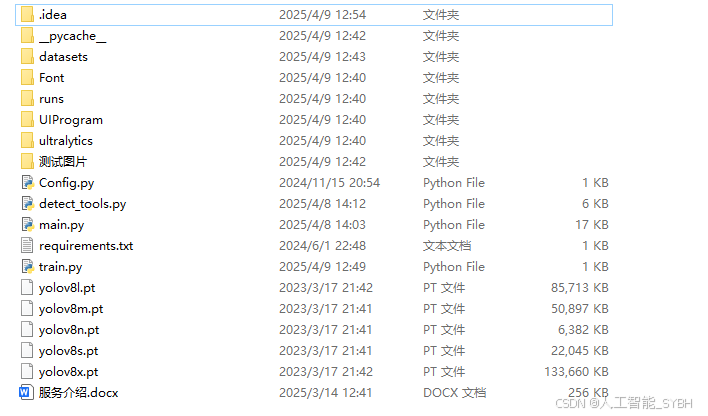
七、项目
演示与介绍视频:
基于深度学习的铁轨轨道缺陷检测系统(YOLOv8+YOLO数据集+UI界面+Python项目源码+模型)_哔哩哔哩_bilibili
基于深度学习的铁轨轨道缺陷检测系统(YOLOv8+YOLO数据集+UI界面+Python项目源码+模型)
更多推荐

 26
26 0
0- 0


 已为社区贡献7条内容

所有评论(0)